










































Ultimate Patagonia Cruise Guide: Routes & Recommendations


- What can you expect on a Patagonia expedition cruise?
- Understanding the main cruise routes in Patagonia
- If you like… glaciers, wildlife, and bragging rights
- If you like…remote national parks, icefields, and isolated villages
- If you like… glaciers, fauna, and Indigenous villages
- When to cruise in Patagonia
- Expert tips for a Patagonia expedition cruise
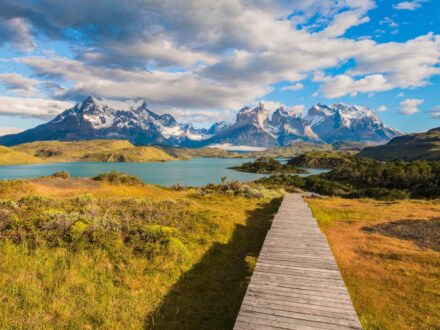
Patagonia is a place of superlative beauty. Most are drawn to this region for its hiking trails, with Torres del Paine National Park symbolising the stark majesty of this region. However, a purely land-based exploration fails to capture the true heart of Patagonia.
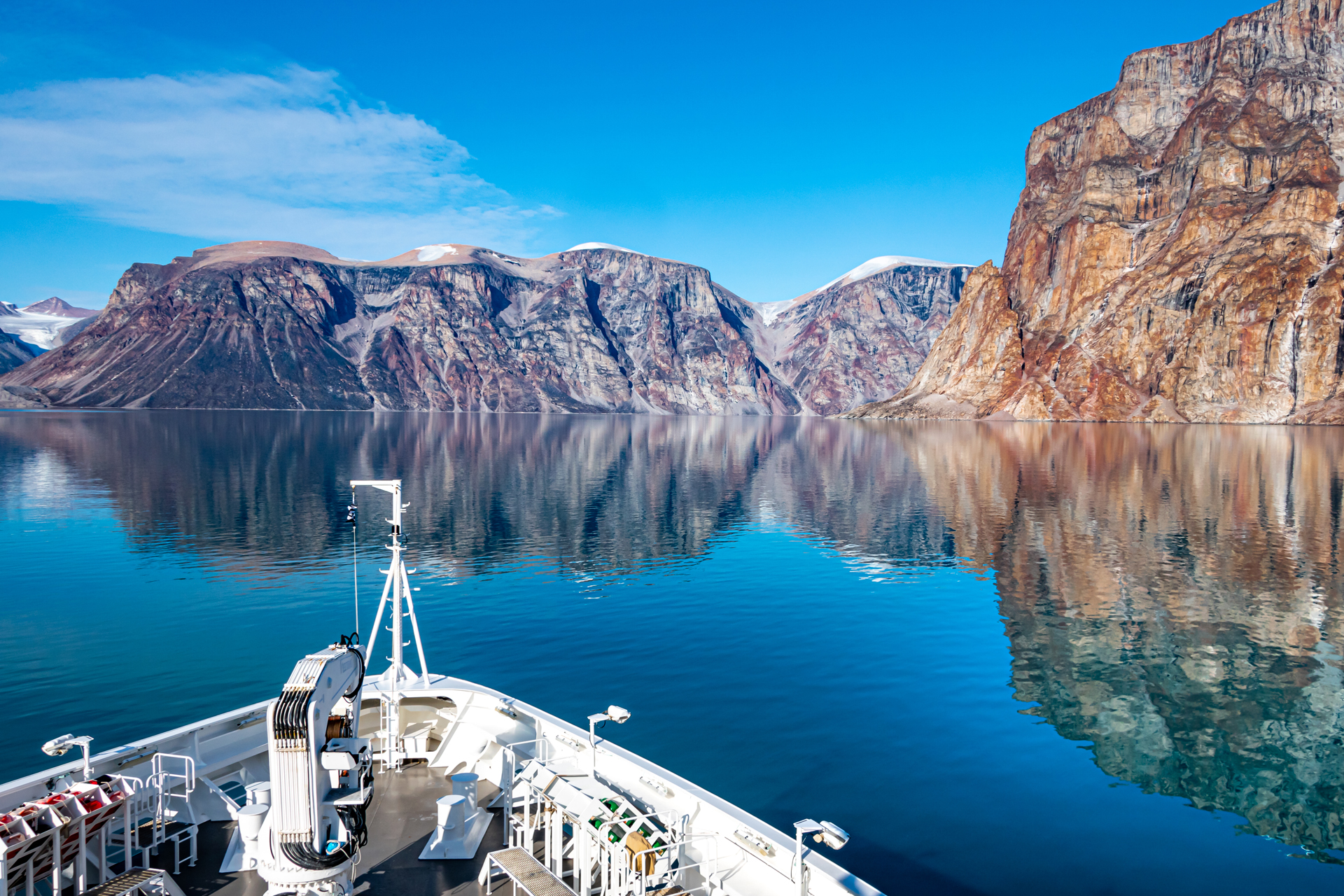
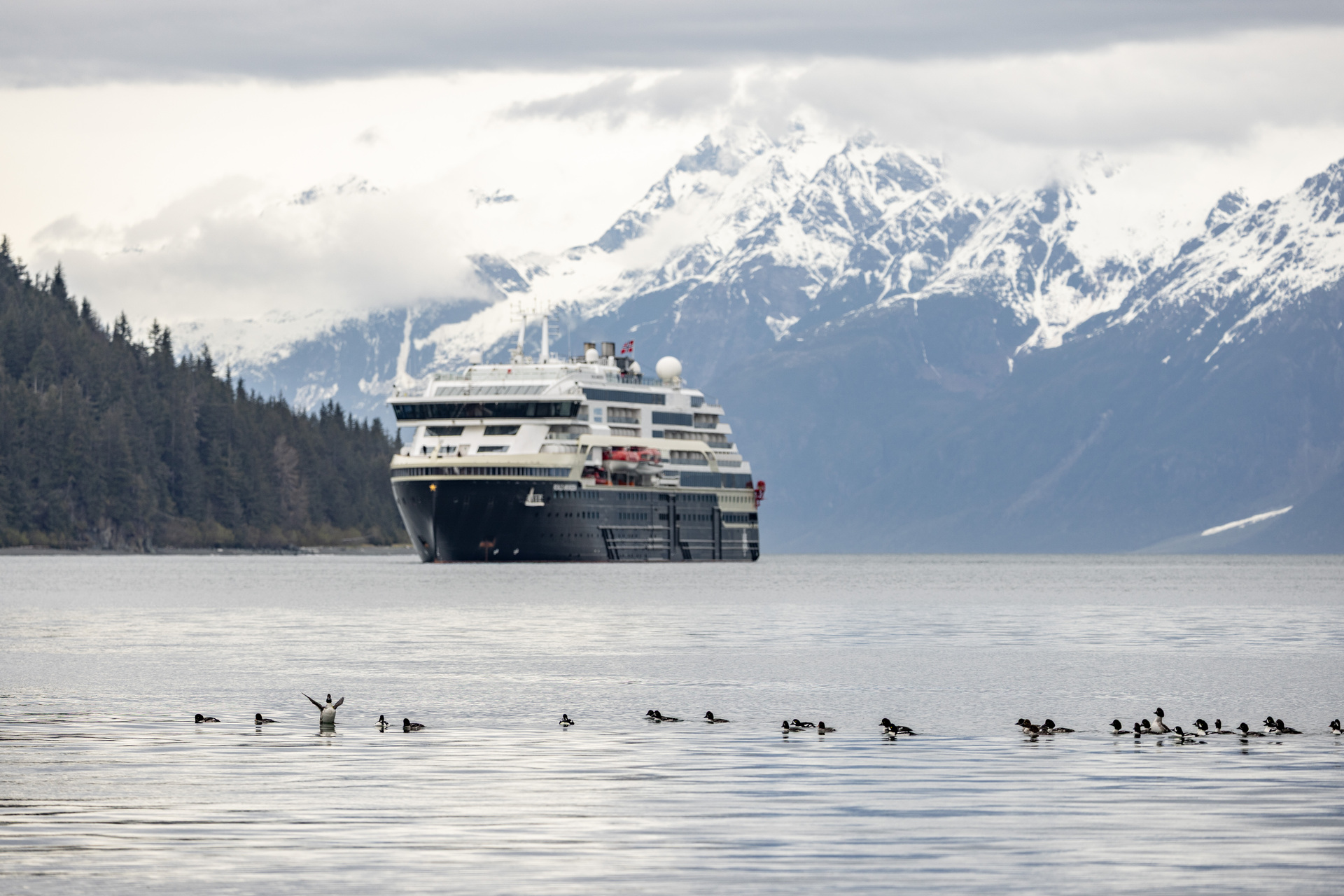
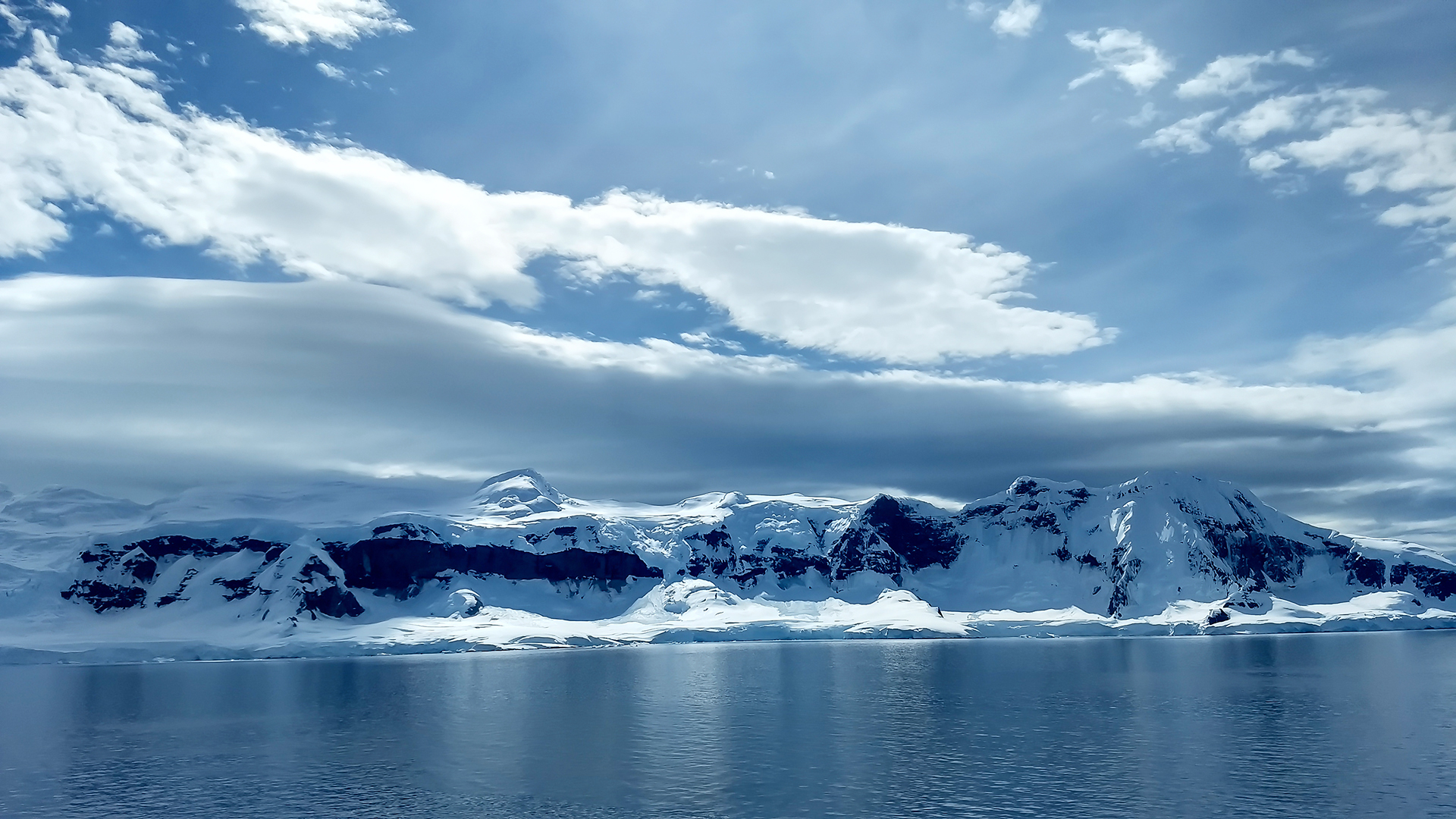
Bisected by the knobbled Andes, this region is a realm of storm-whipped headlands, trimmed in the west and south with fjords that were once navigated by the Indigenous seafarers and early European explorers. These waters – which receive just a few thousand annual visitors – are part of the real magic of Patagonia.
The only way to voyage to these otherwise inaccessible corners is aboard a luxury Patagonia expedition cruise. But, with multiple cruise itineraries and routes, it can be difficult to narrow down the choice. This guide covers everything travelers need to know about cruising in Patagonia.
What can you expect on a Patagonia expedition cruise?
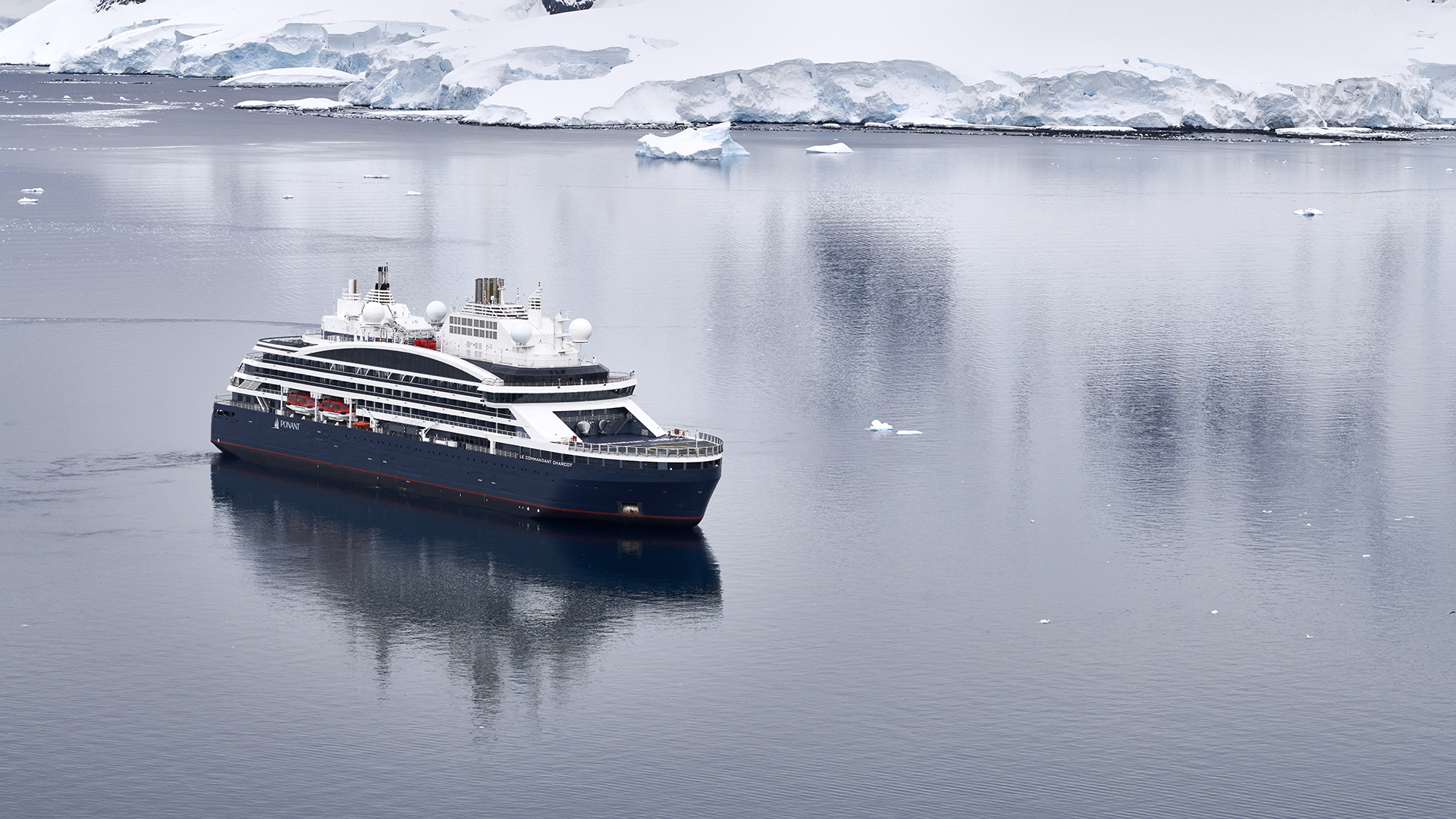
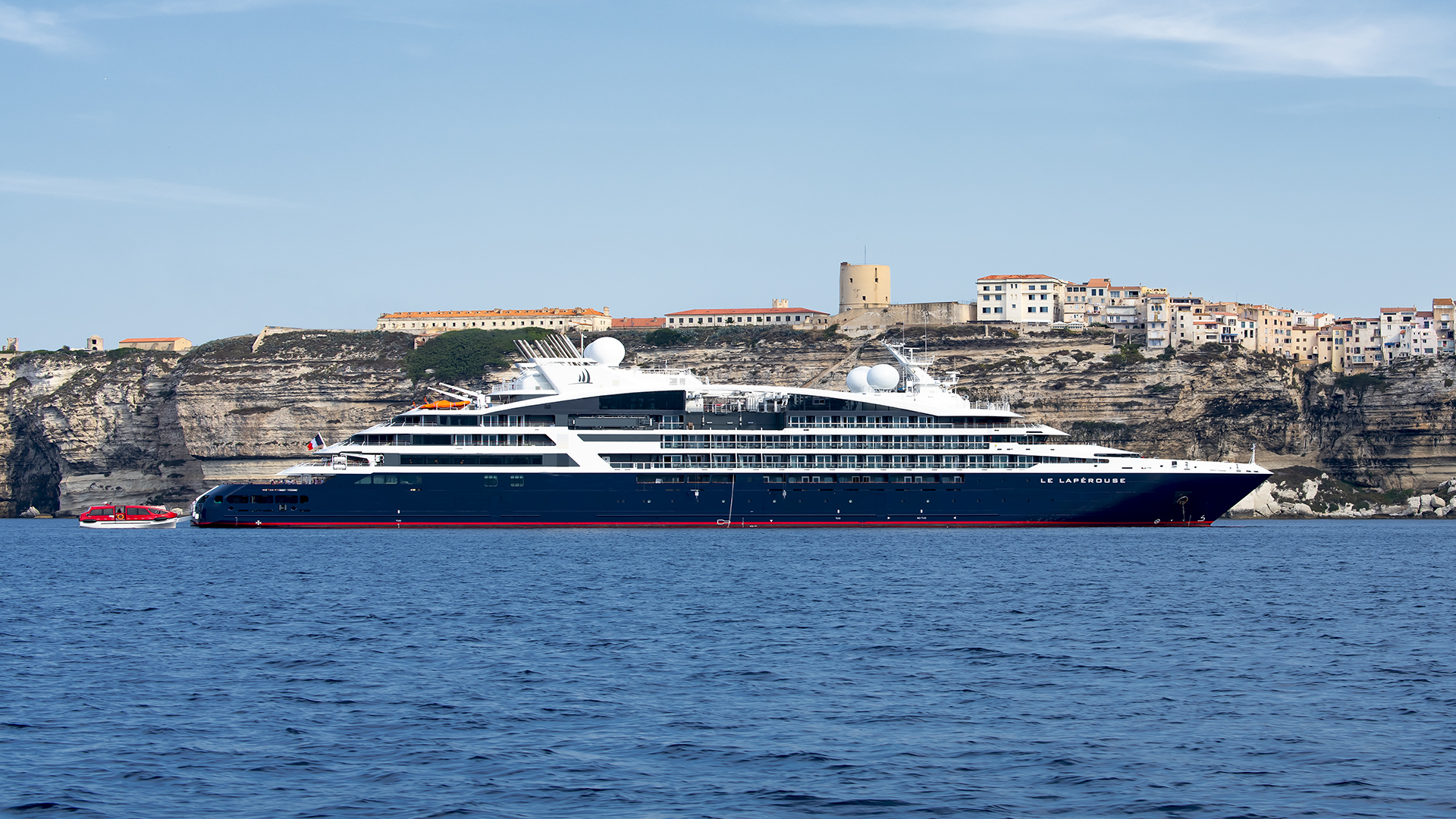
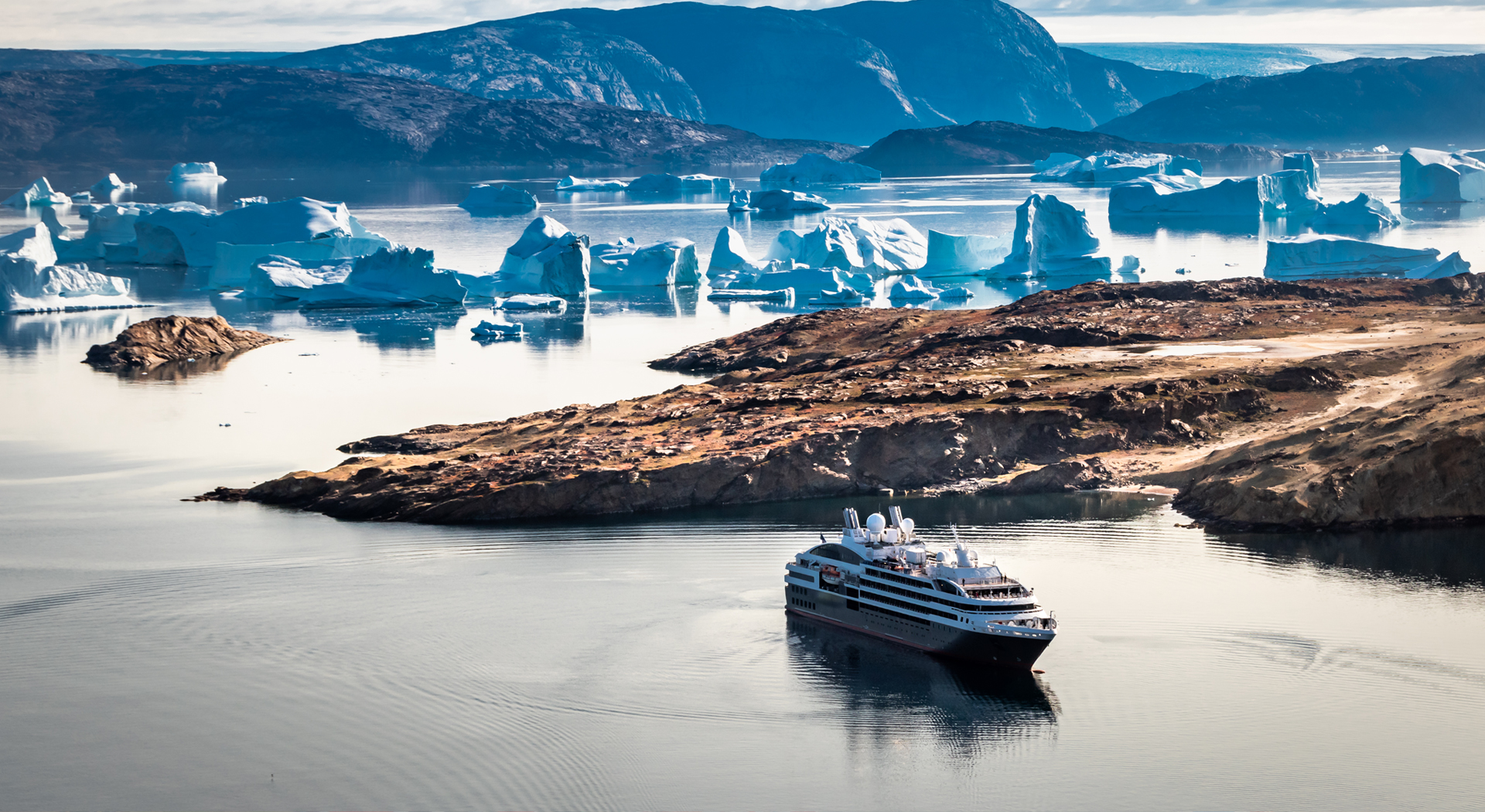
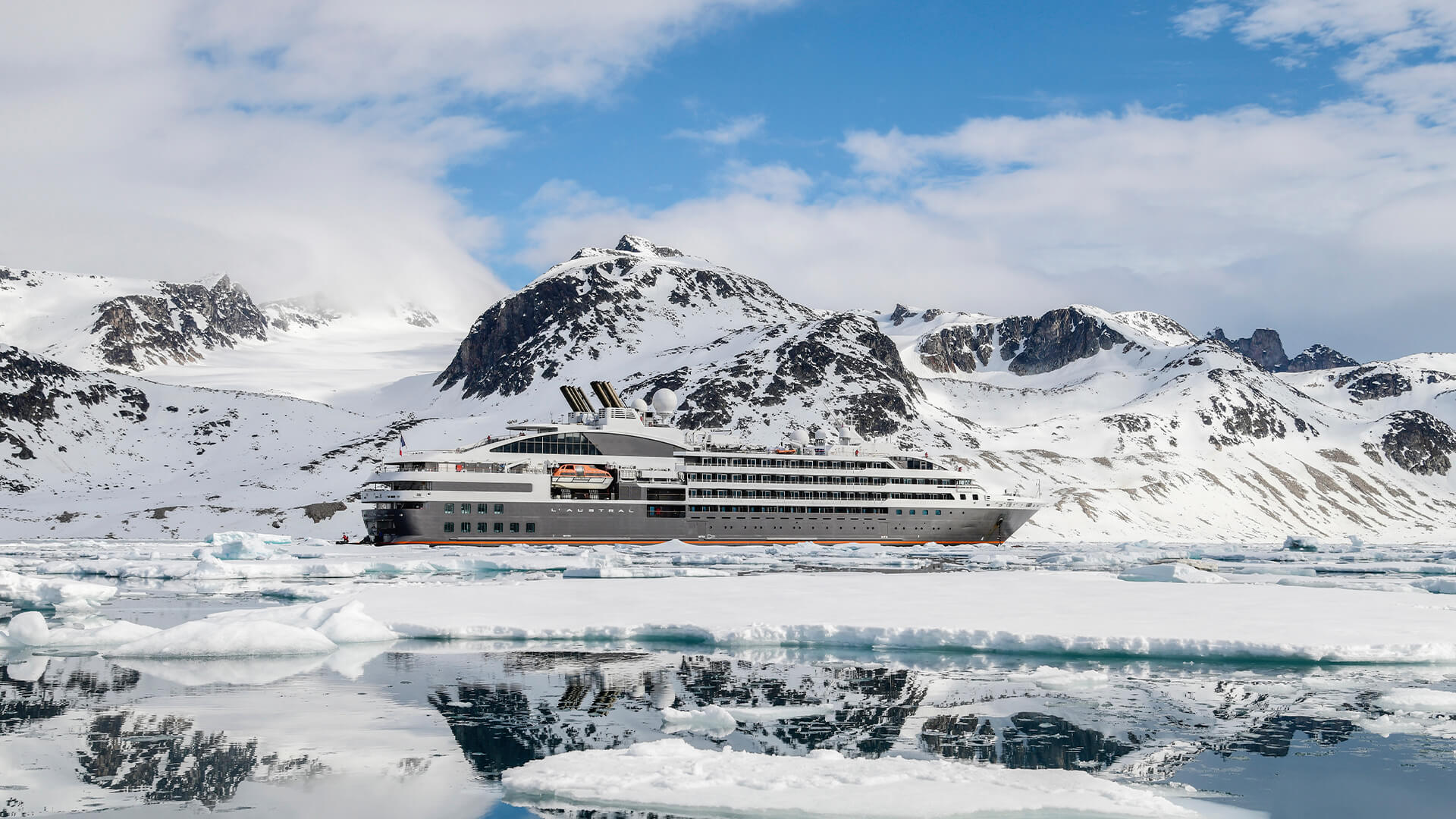
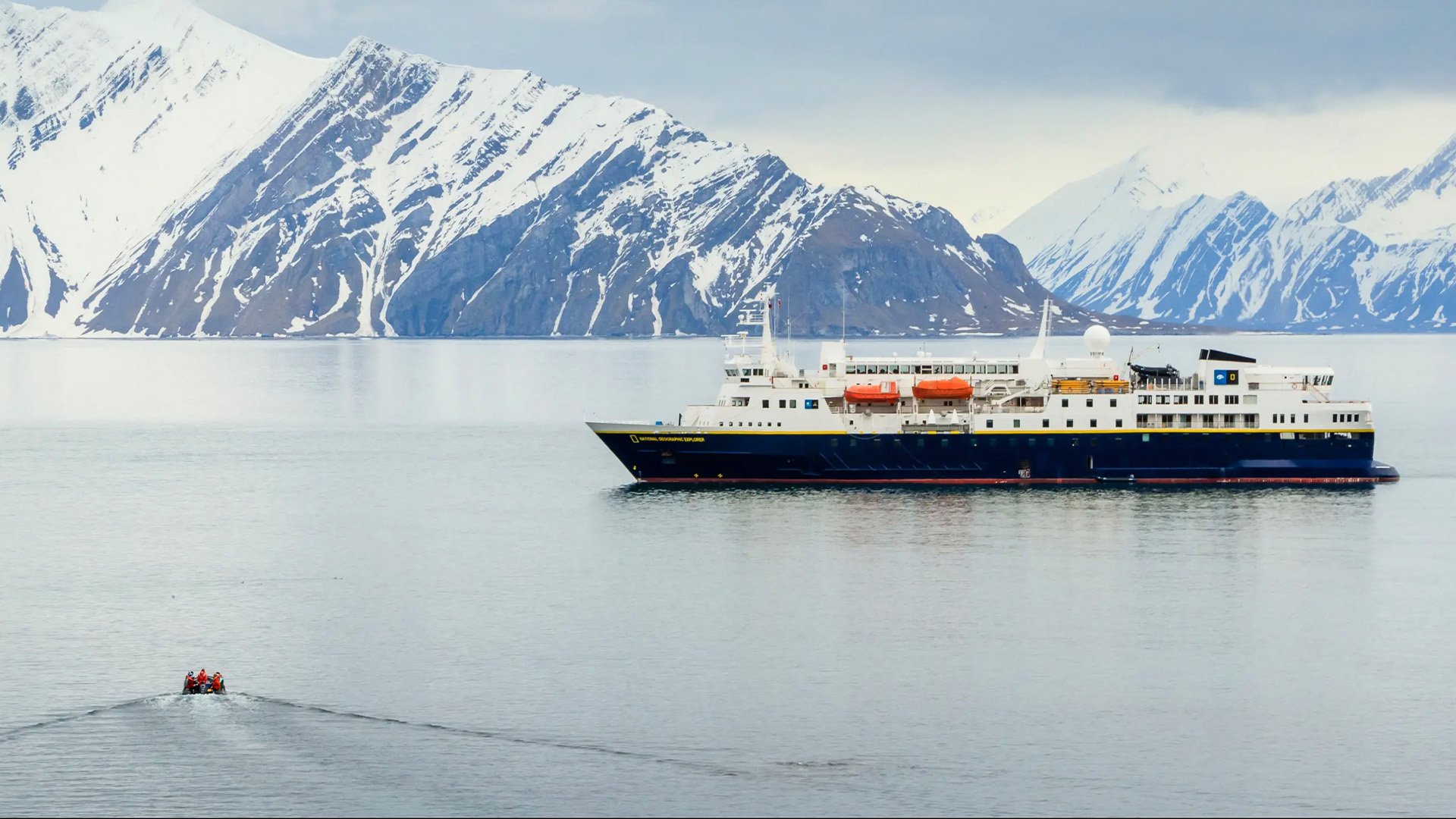
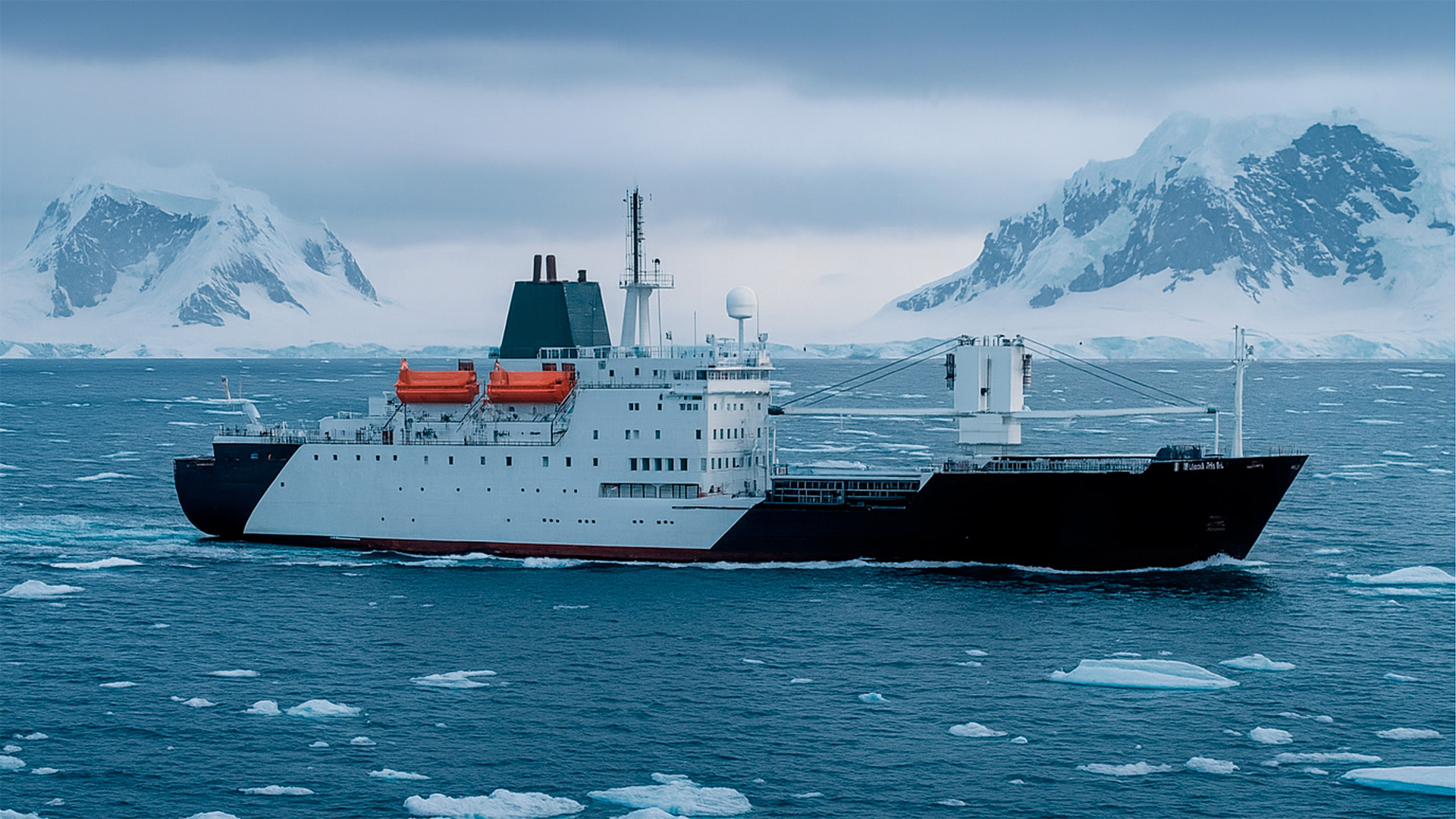
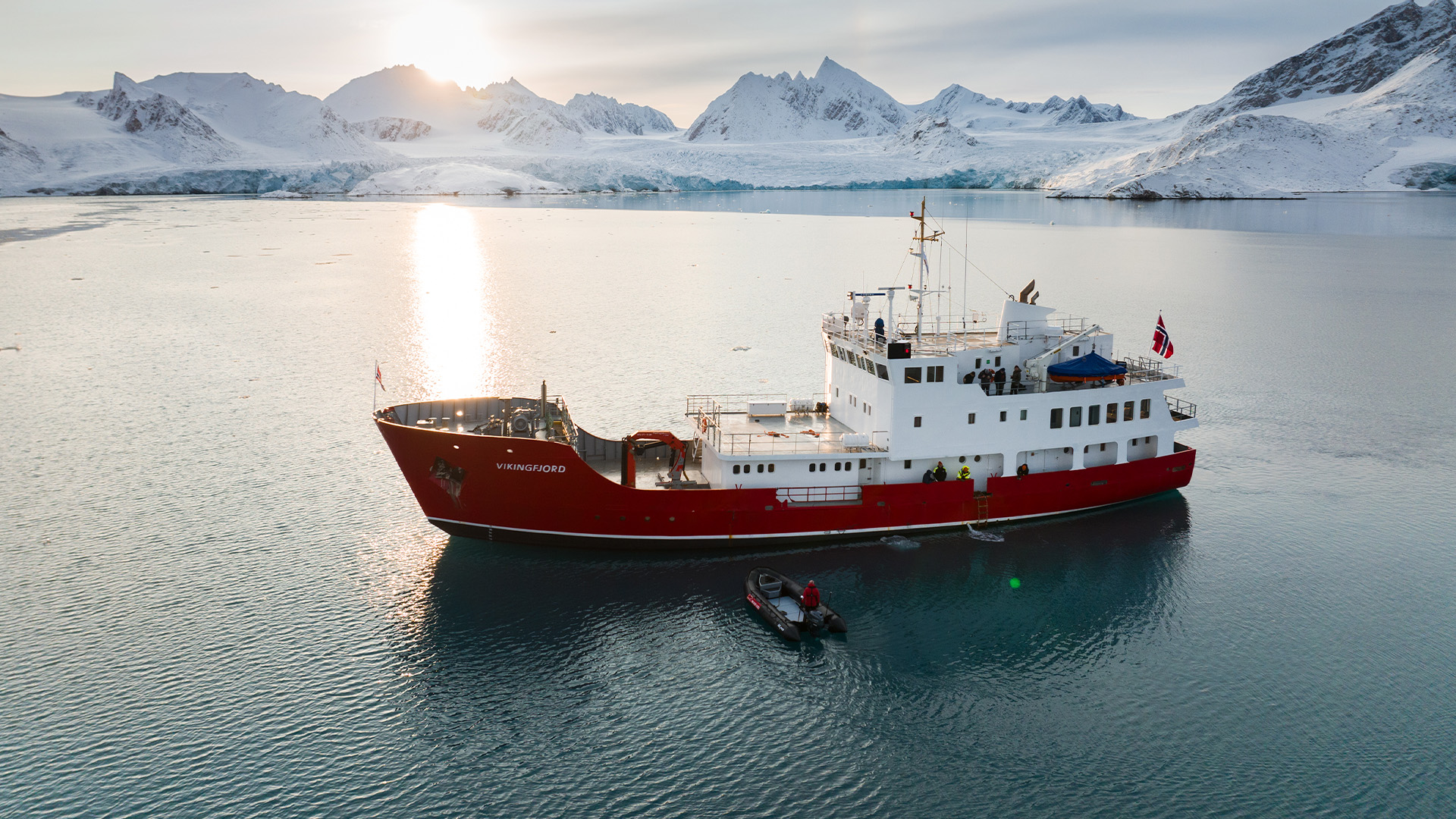
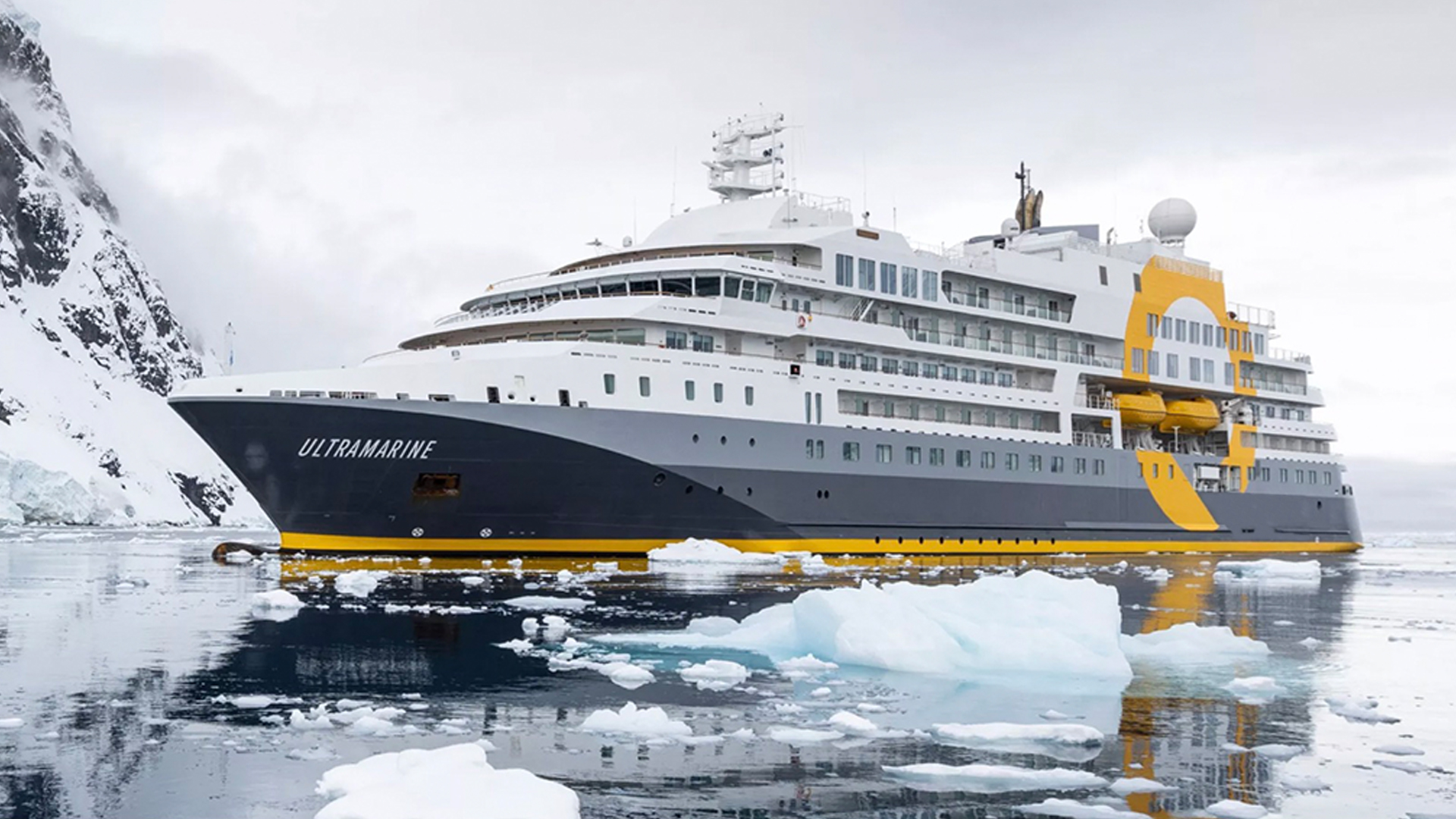
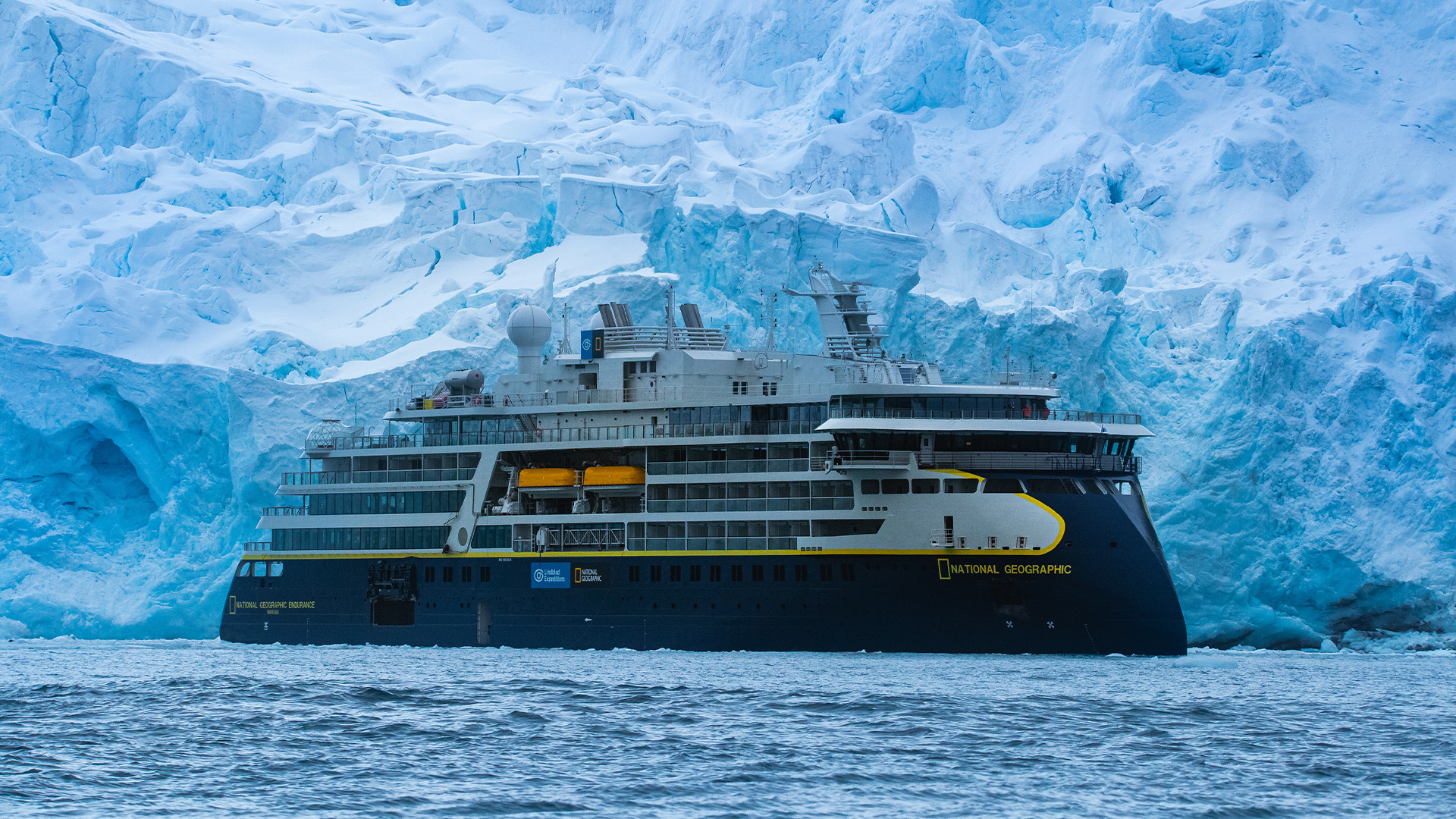
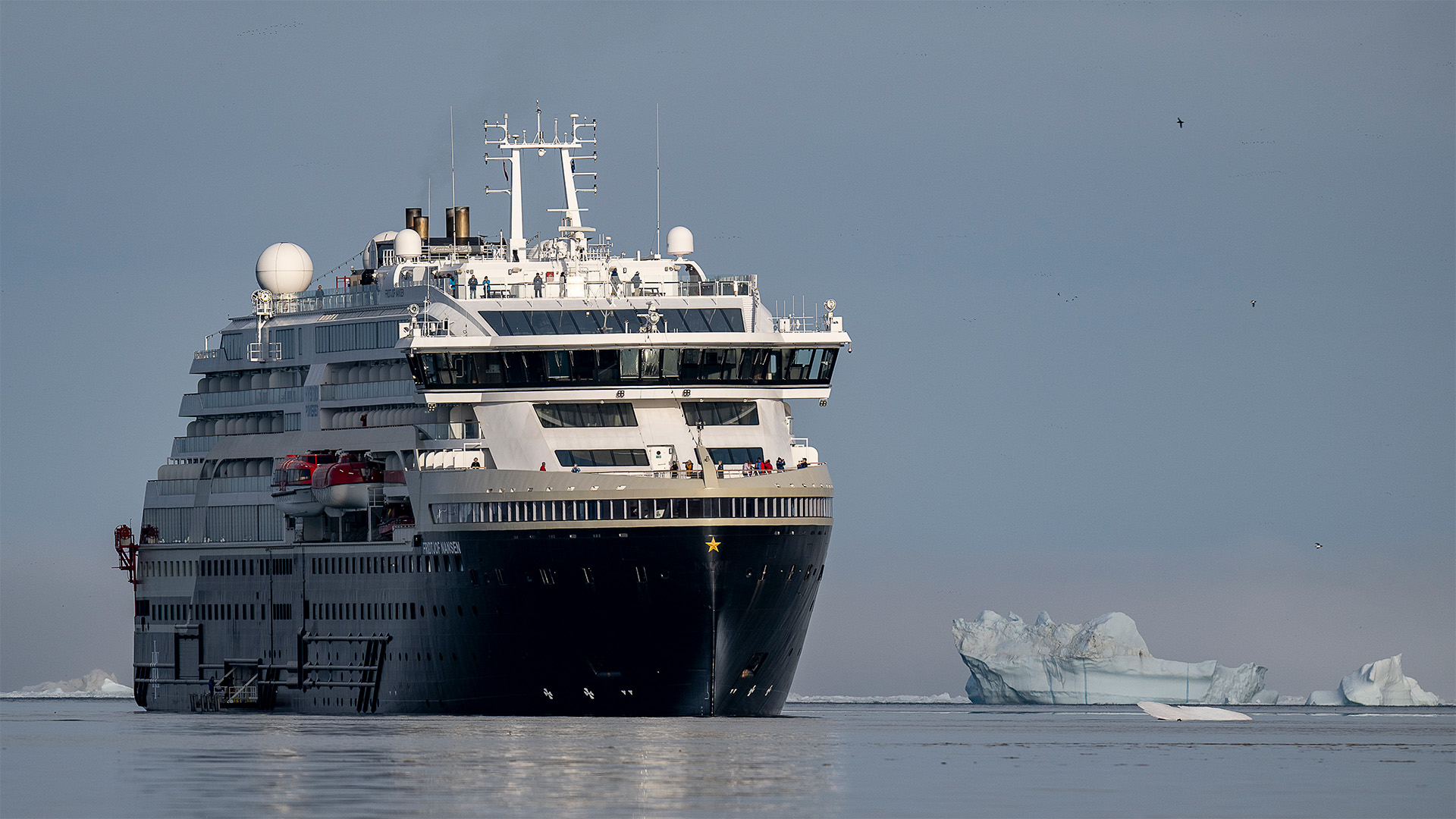
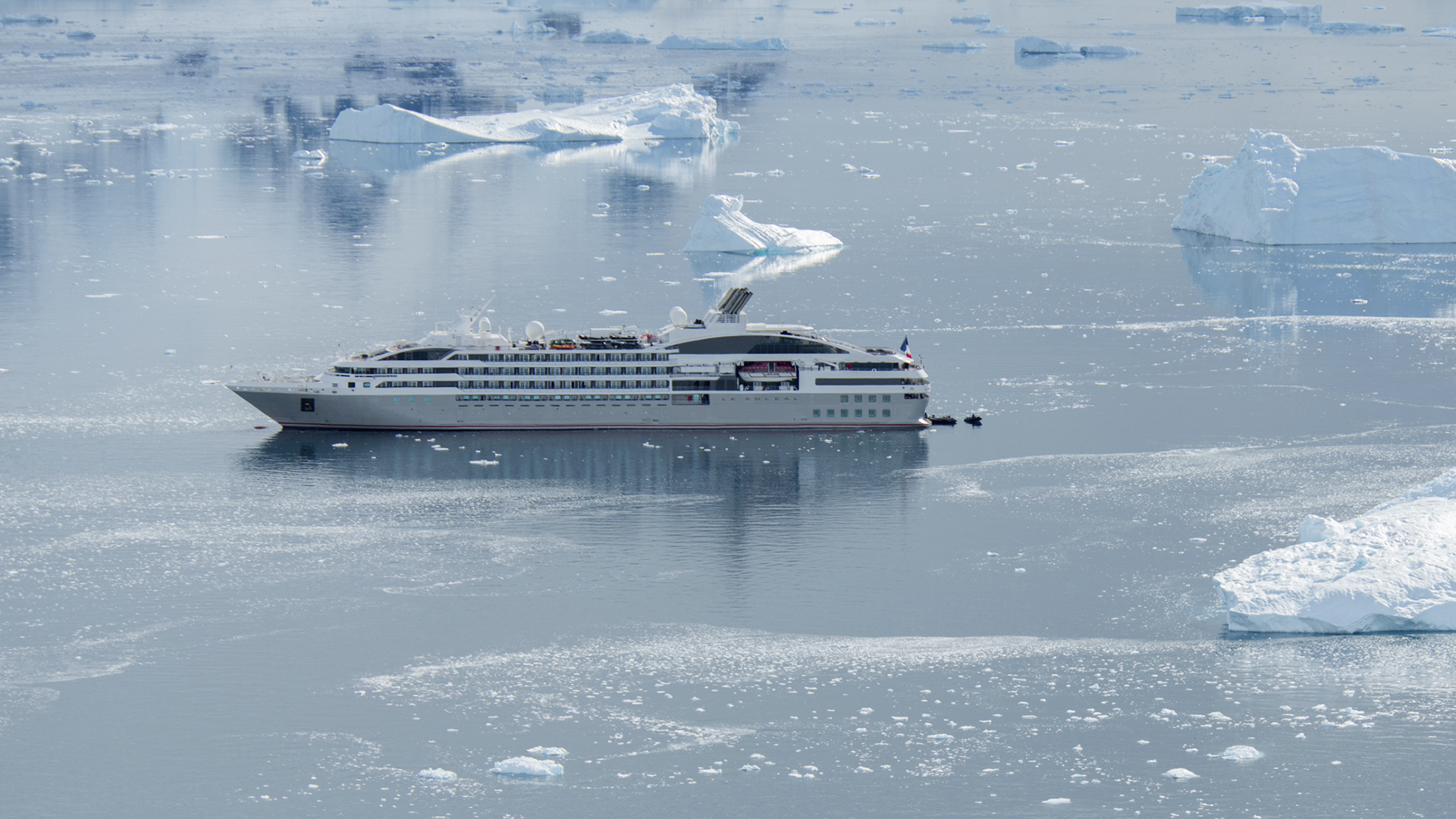
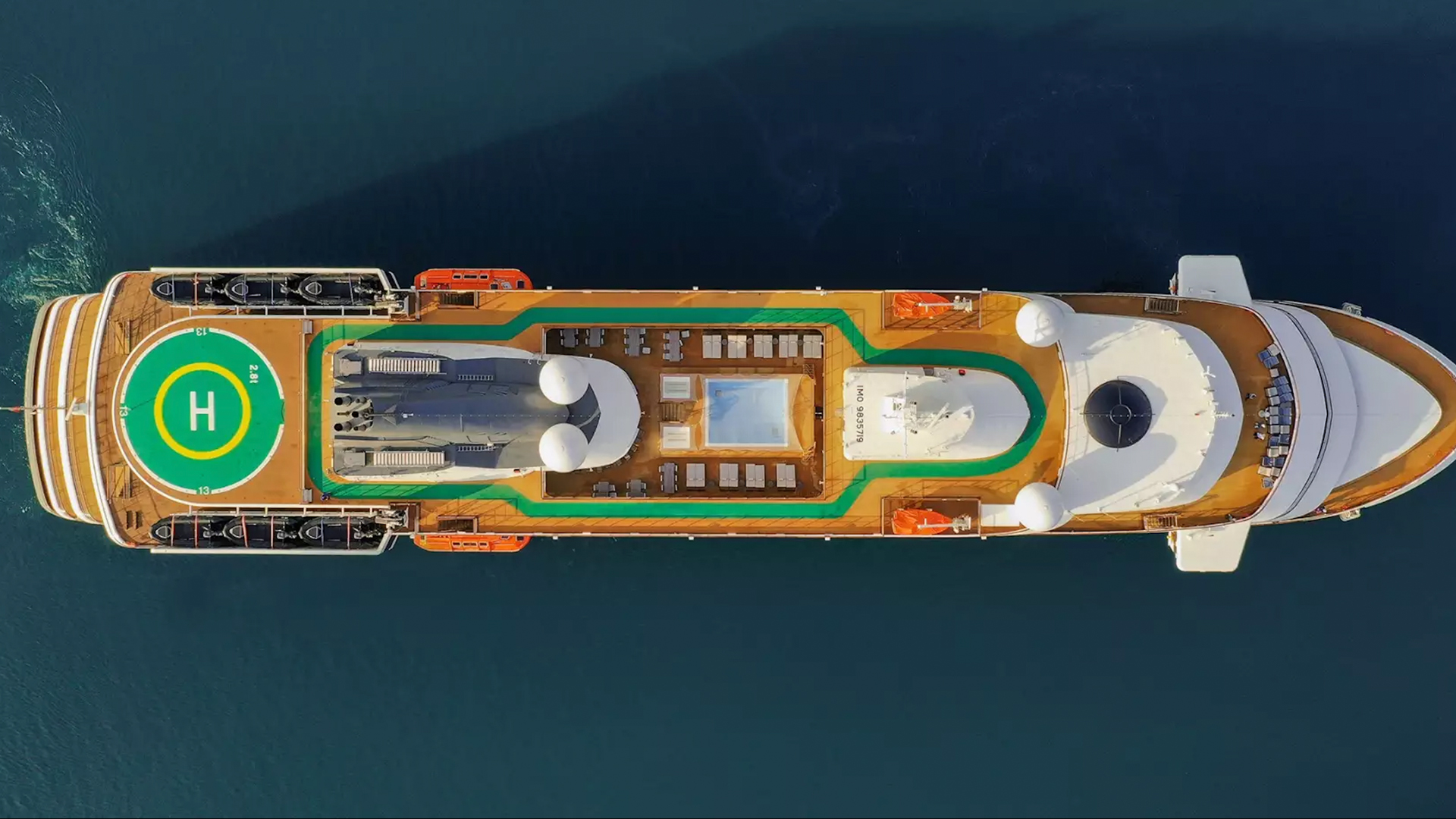
Think of a cruise ship, and a vision of a vast, transatlantic ocean liner likely springs to mind. But this couldn’t be further from the truth of Patagonia adventure cruises. These are small-ship navigations – guests number between seventy and two hundred – meaning they can venture deep into the fjords and dock in narrow channels inaccessible to larger cruise ships. Fewer guests mean a more intimate setting on board, and allow for the experience to be both luxurious and comfortable. Formal dining using regional ingredients and dishes, plus on-board entertainment, ensures downtime between excursions is equally fulfilling.
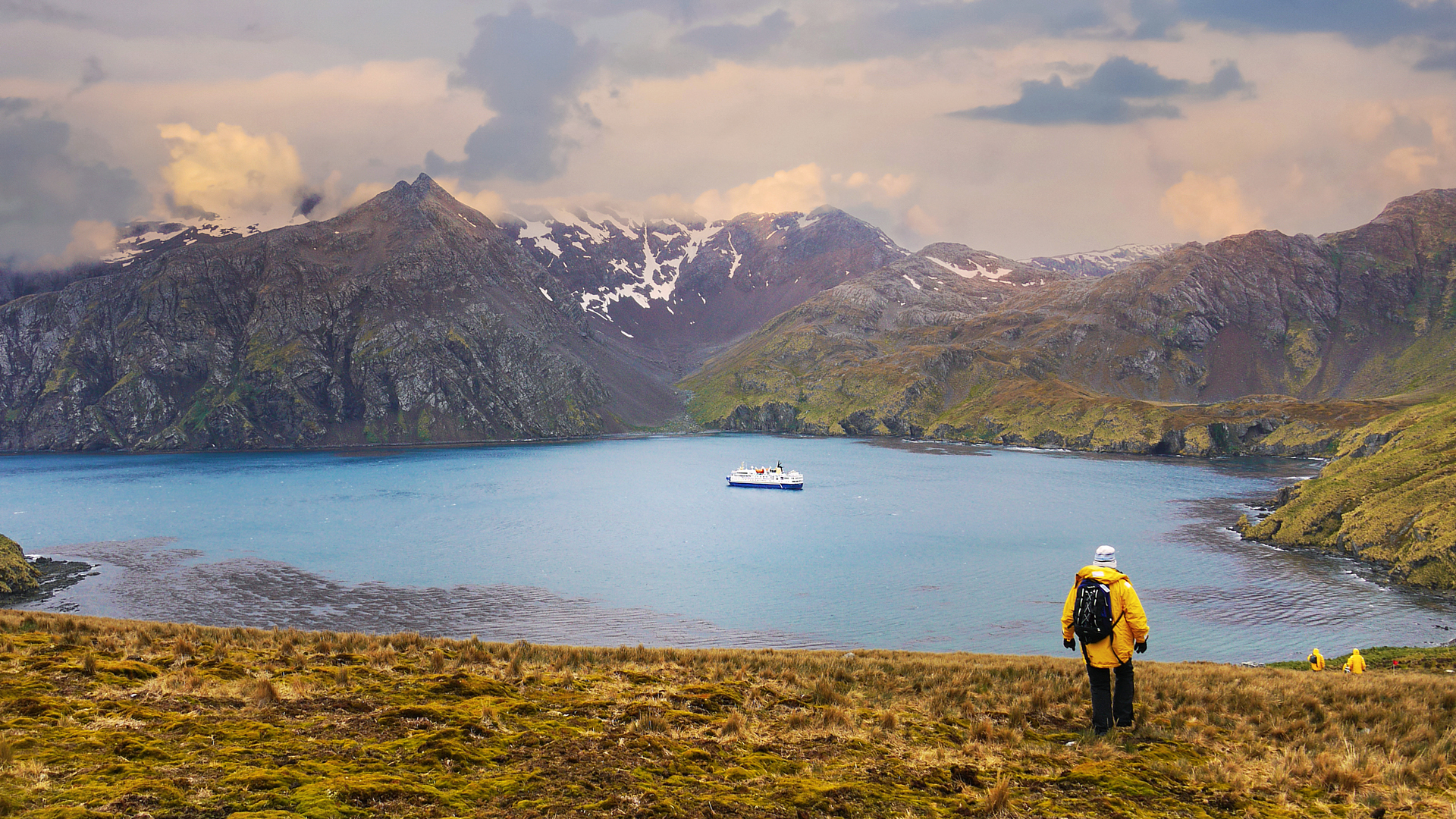
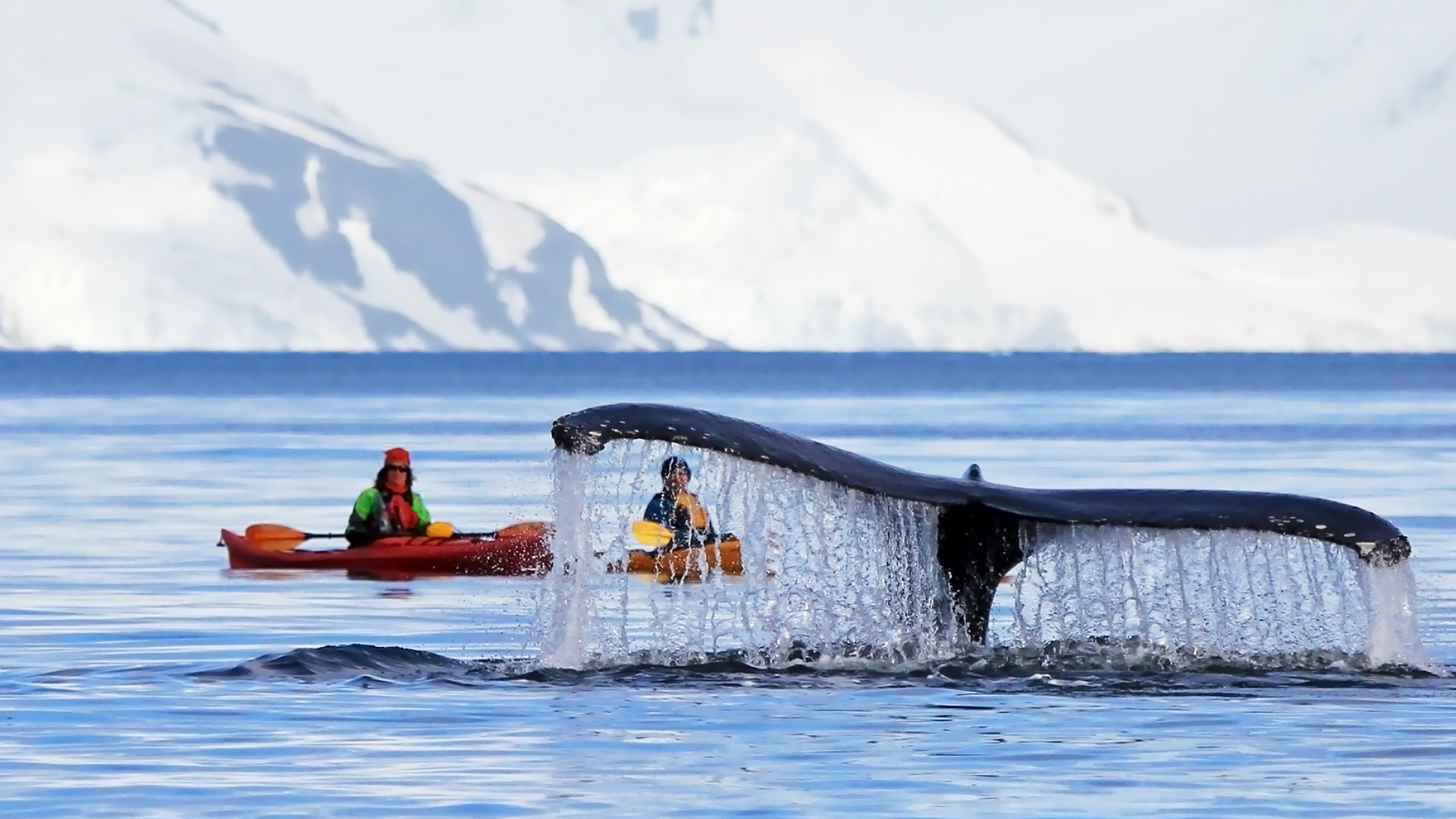
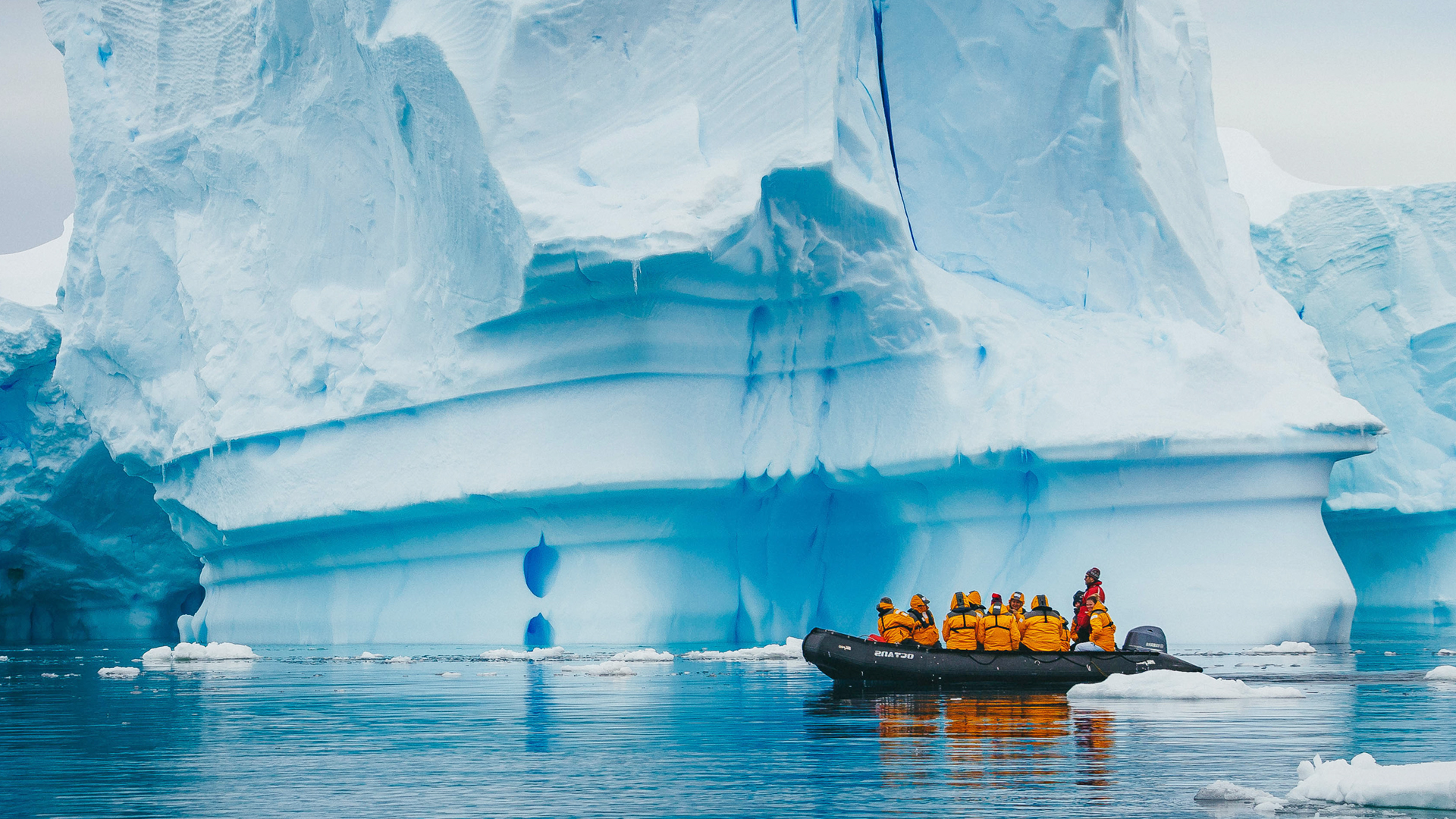
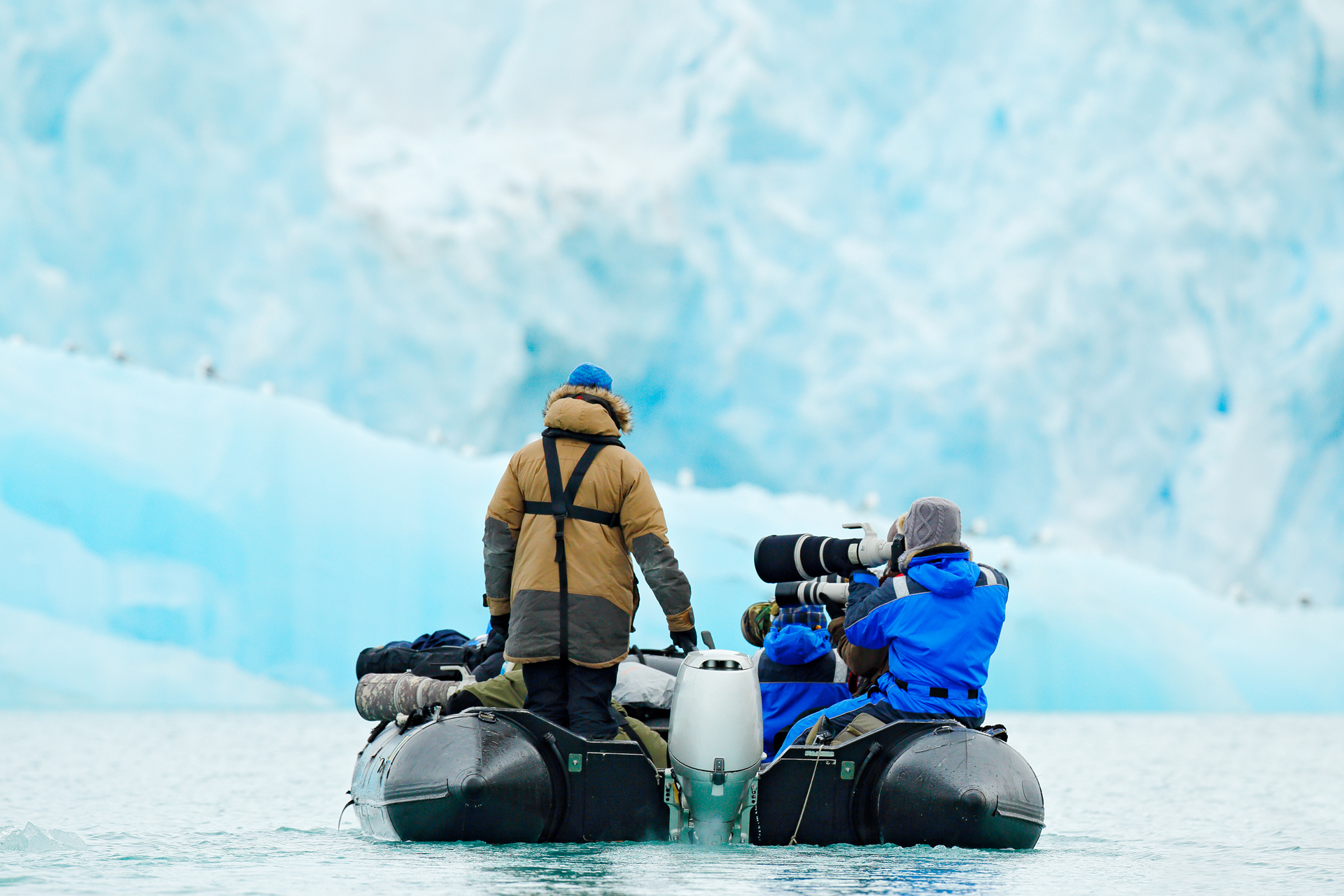
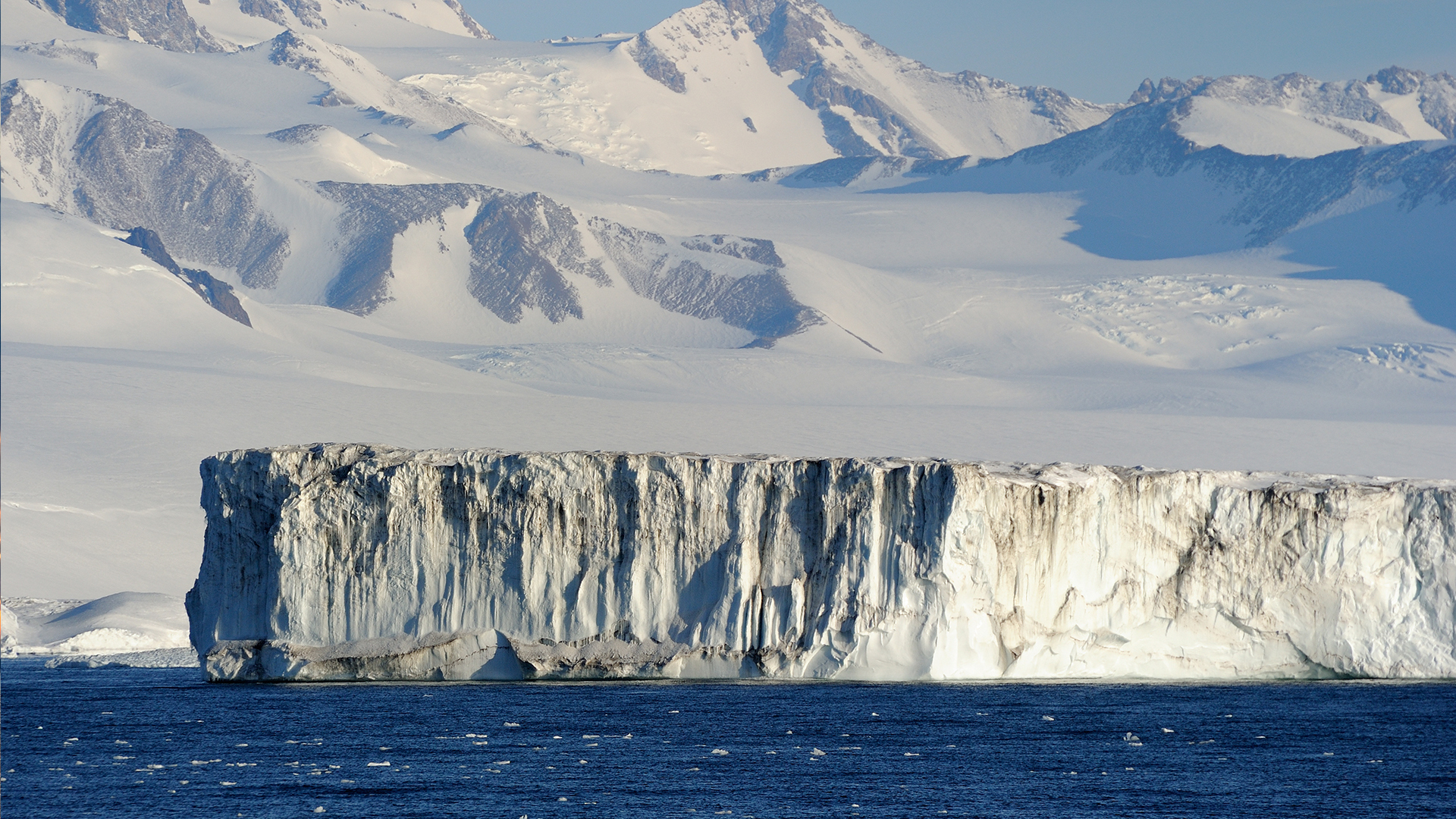
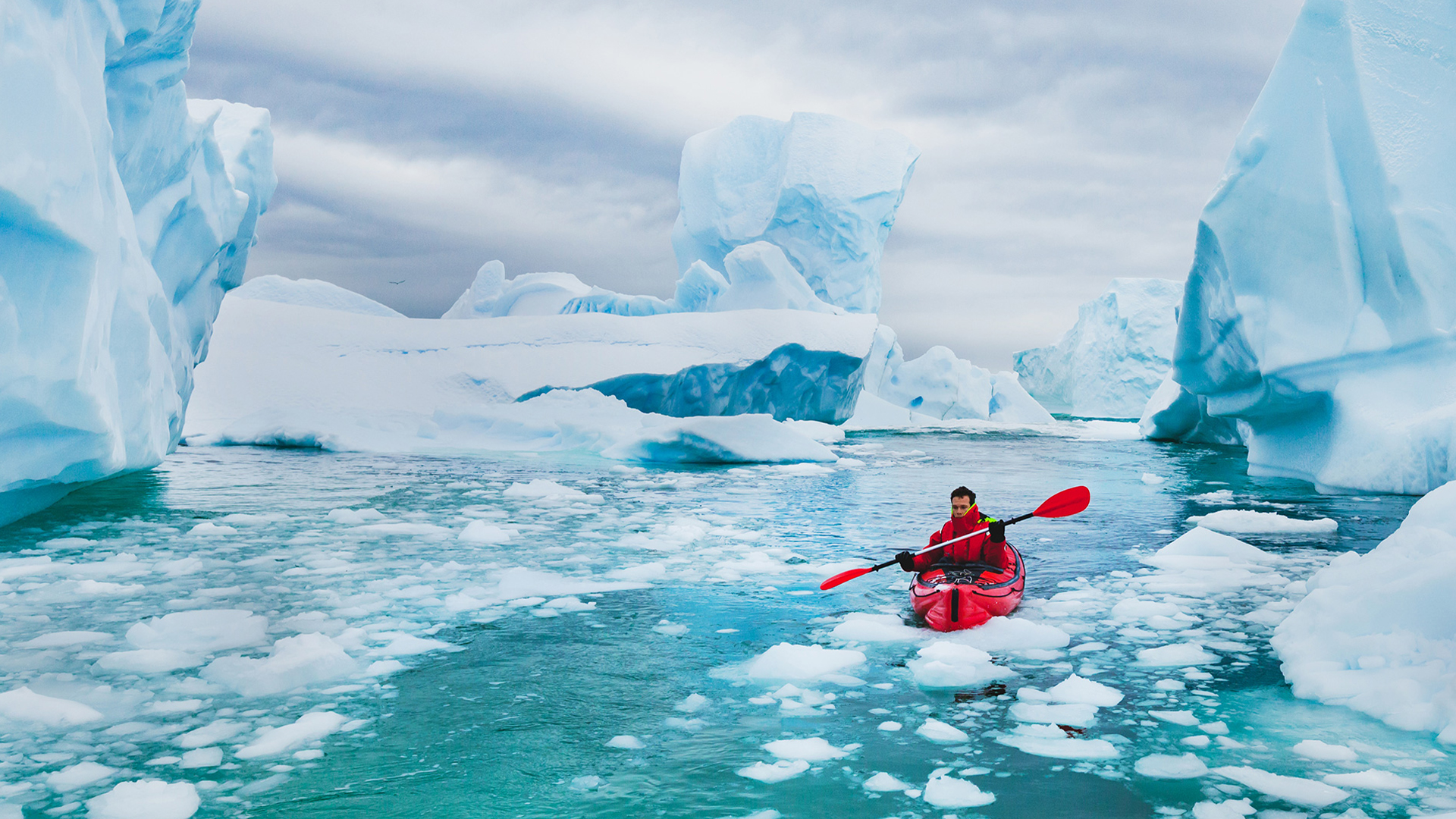
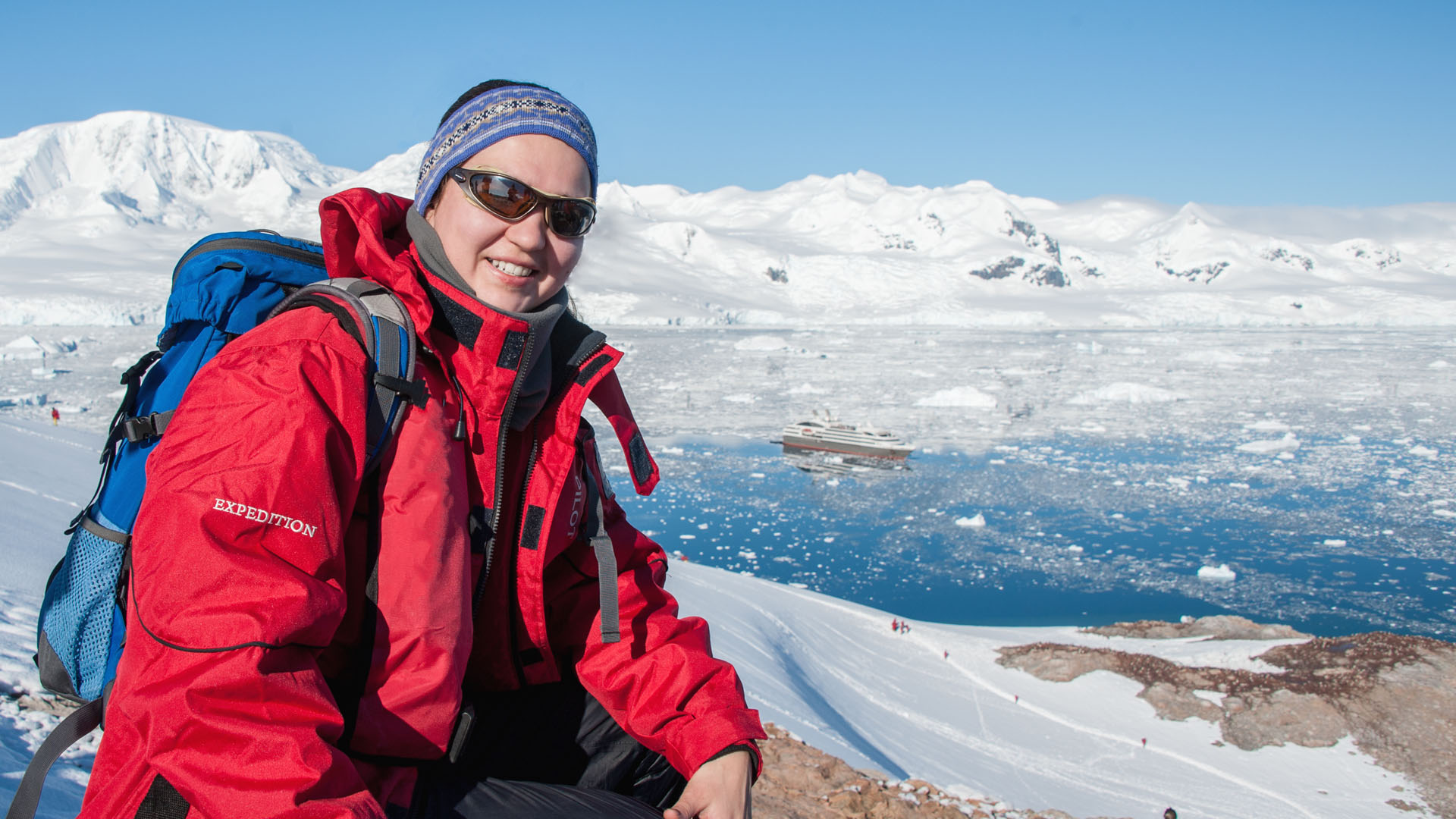
What’s more, on-shore excursions head into remote terrain: perhaps hiking to the top of a hill for dramatic views of the fjord from up high, or exploring a former radio station and surrounding land once used by the Indigenous Yaghán. Unlike typical ships, expedition cruises provide water-based excursions, too; guests sail out in Zodiacs to get even closer to the tidewater glaciers that cling to the fjordsides.
The quality of guiding also defines expedition cruises. Excursions are led by experts with encyclopedic knowledge of the region’s glaciology, geography, and flora and fauna. On board lectures, plus reading rooms containing relevant novels and scientific books, ensure adventurers leave having gained a greater understanding of the world around them.
Understanding the main cruise routes in Patagonia
The Patagonian fjords are predominantly found on the Chilean side of the region, meaning most cruises depart from or terminate in Chilean territory. However, some Patagonia cruise routes connect with Argentina, from where cruises to Antarctica depart.
The different itineraries give travelers a different flavor of the region, so selecting the best Patagonia cruise route is essential. Here’s what to expect on each.
If you like… glaciers, wildlife, and bragging rights
Ports: Punta Arenas (Chile) / Ushuaia (Argentina)
Duration: Five to nine days
Ships: Ventas Australis and Stella Australis
Number of guests: 200
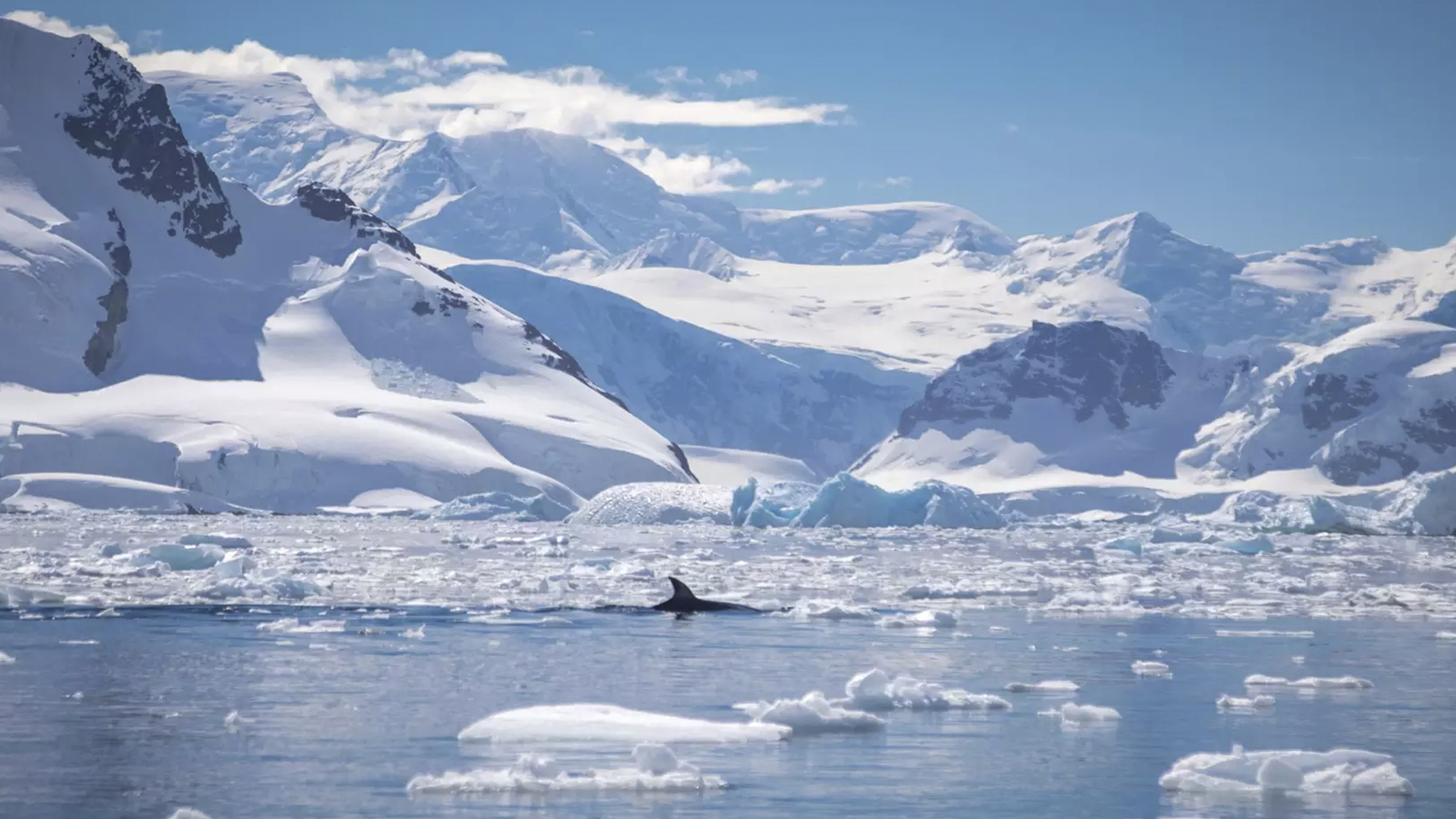
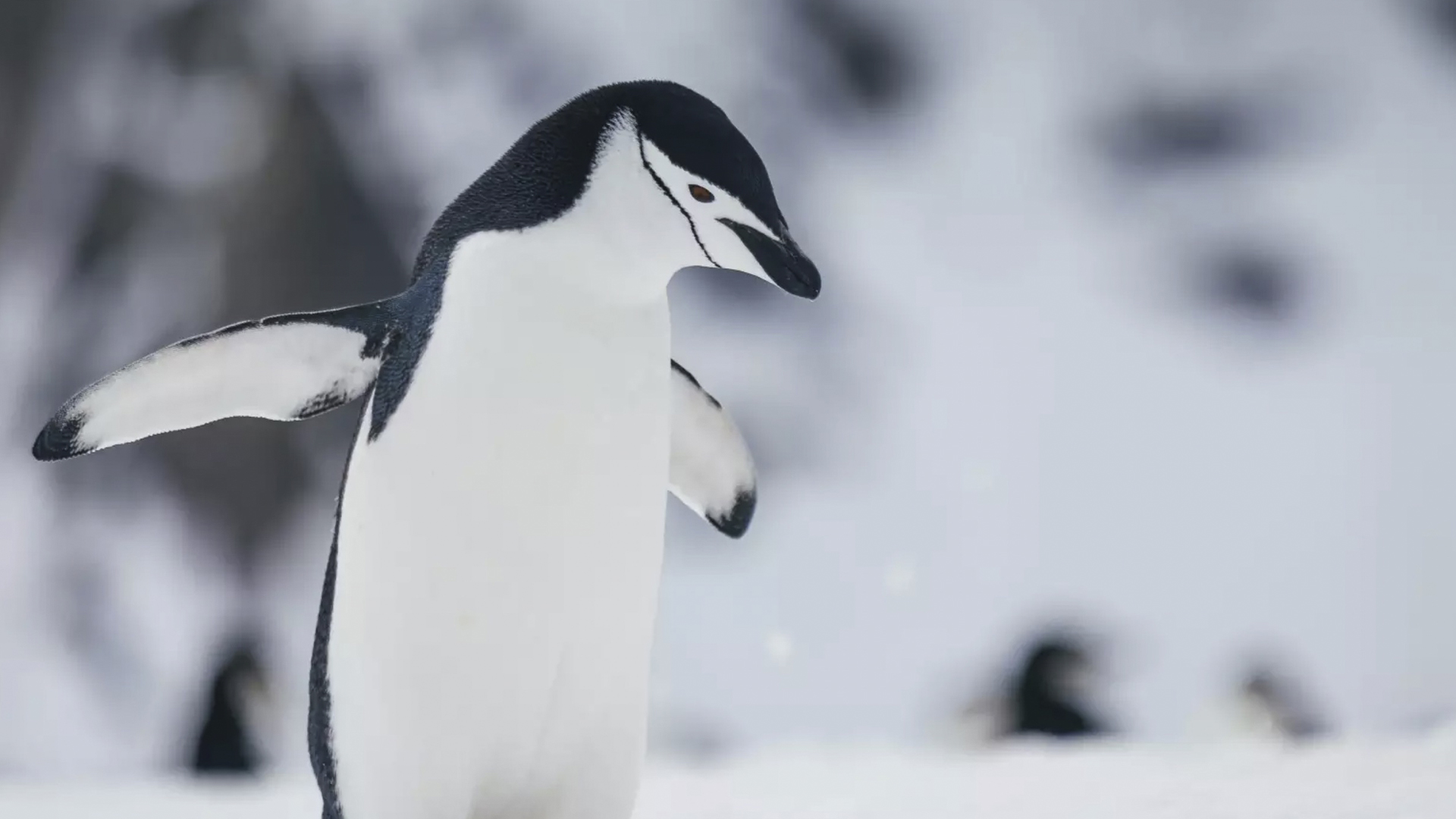
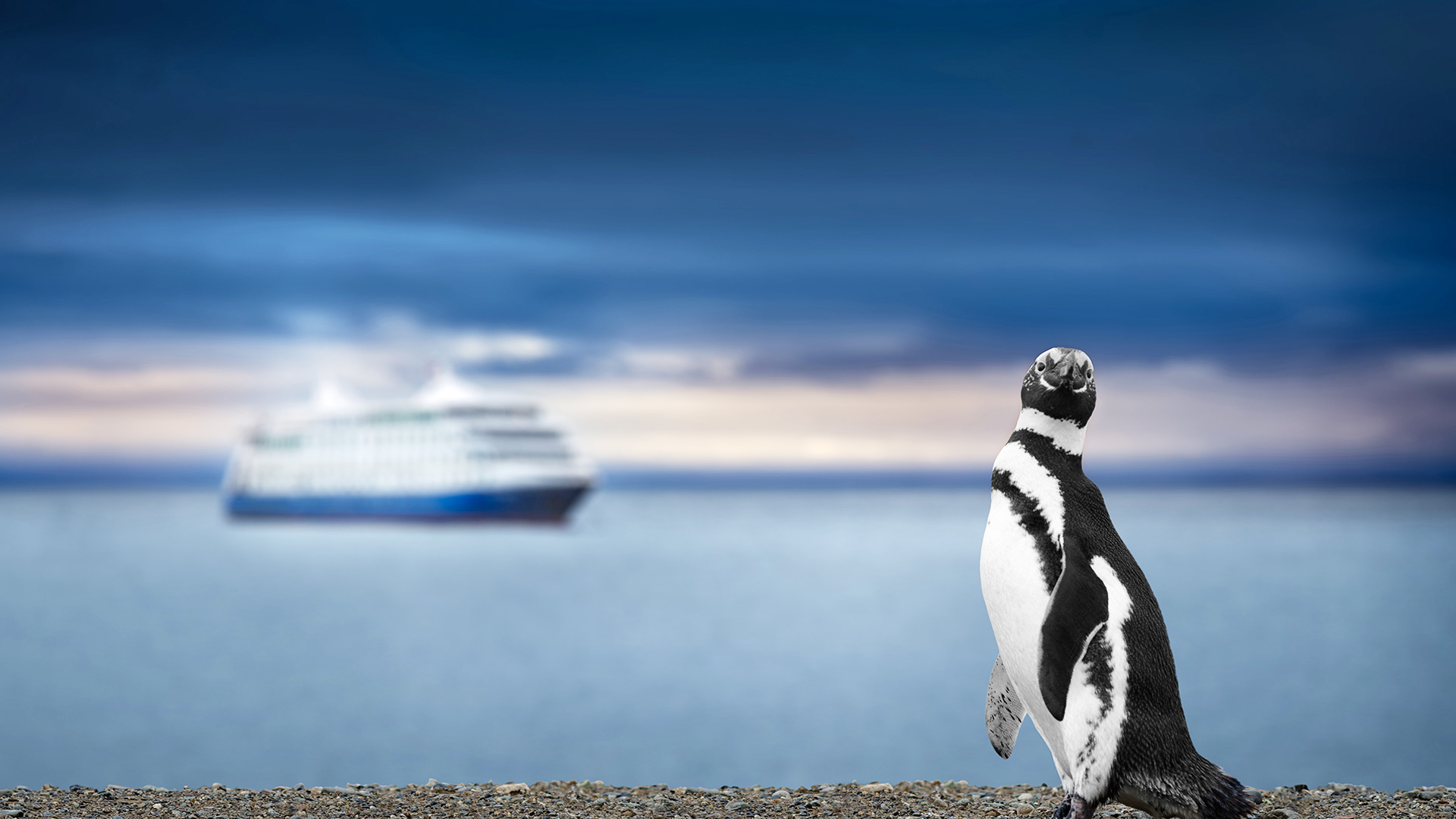
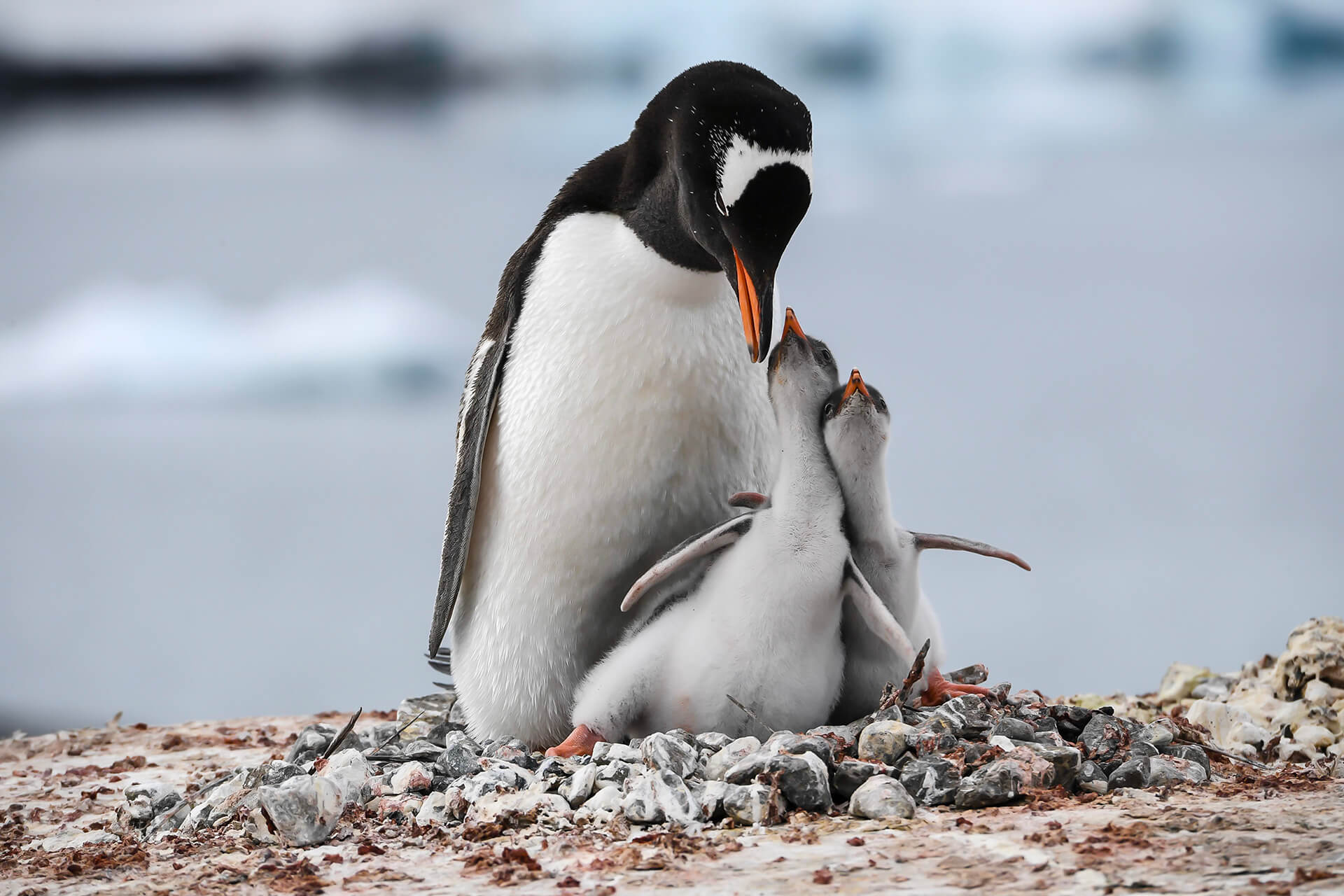
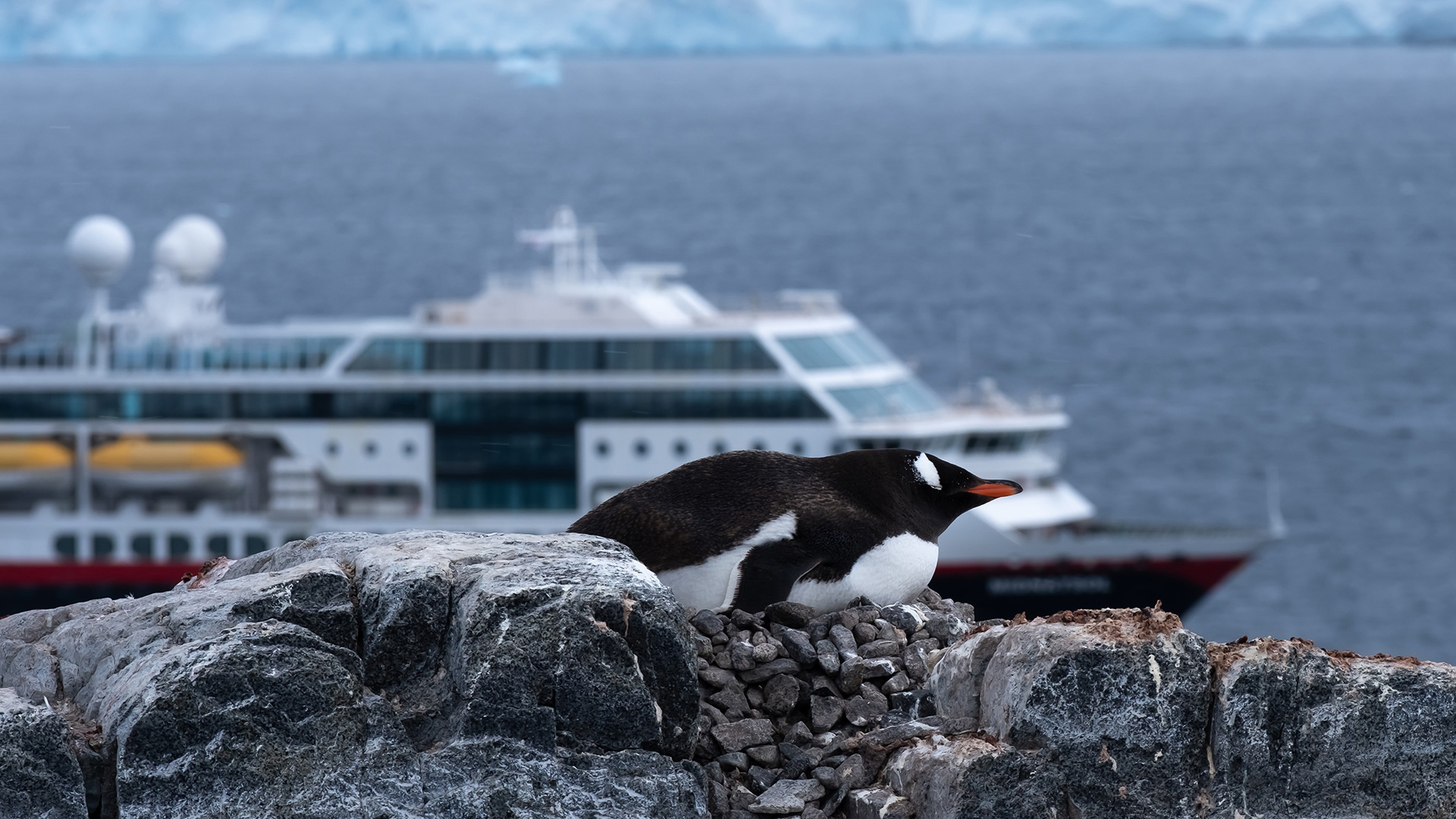
This classic expedition cruise takes adventurers between Punta Arenas, in southern Chilean Patagonia, and Ushuaia, on the southernmost tip of Argentina. This route connects the fabled Strait of Magellan with the Beagle Channel – both of which teem with humpback whales and Peale’s dolphins during the austral summer. Along the way, ships stop at the tidewater glaciers of the labyrinthine fjord system and the penguin colony of Magdalena Island. The addition of on-shore hikes to viewpoints and along the edges of glaciers makes this cruise a good choice for those seeking an active vacation.
But, for many, the biggest appeal of this route is the opportunity to gain bragging rights: setting foot on the legendary Cape Horn, the headland of the wind-battered Hornos Island. While it’s not true that it marks the southernmost point of South America, Cape Horn still merits its fabled status. Just 10,000 visitors land on its shores per year, as brutal winds and waves can make it impossible – meaning it’s all the sweeter when it does happen.
The quality of the accommodations on Ventas Australis and Stella Australis is high. All cabins have picture windows – perfect for soaking up the views – while a series of spacious lounge areas with wraparound views ensure guests are never far from the action. Formal sit-down dining with traditional Patagonian dishes, is also of note. A high guest-to-guide ratio (excursion groups are normally capped at twenty) also allows travelers to engage with the expert knowledge of the crew.
If you like…remote national parks, icefields, and isolated villages
Ports: Puerto Montt (Chile) / Ushuaia (Argentina)
Duration: Nine days
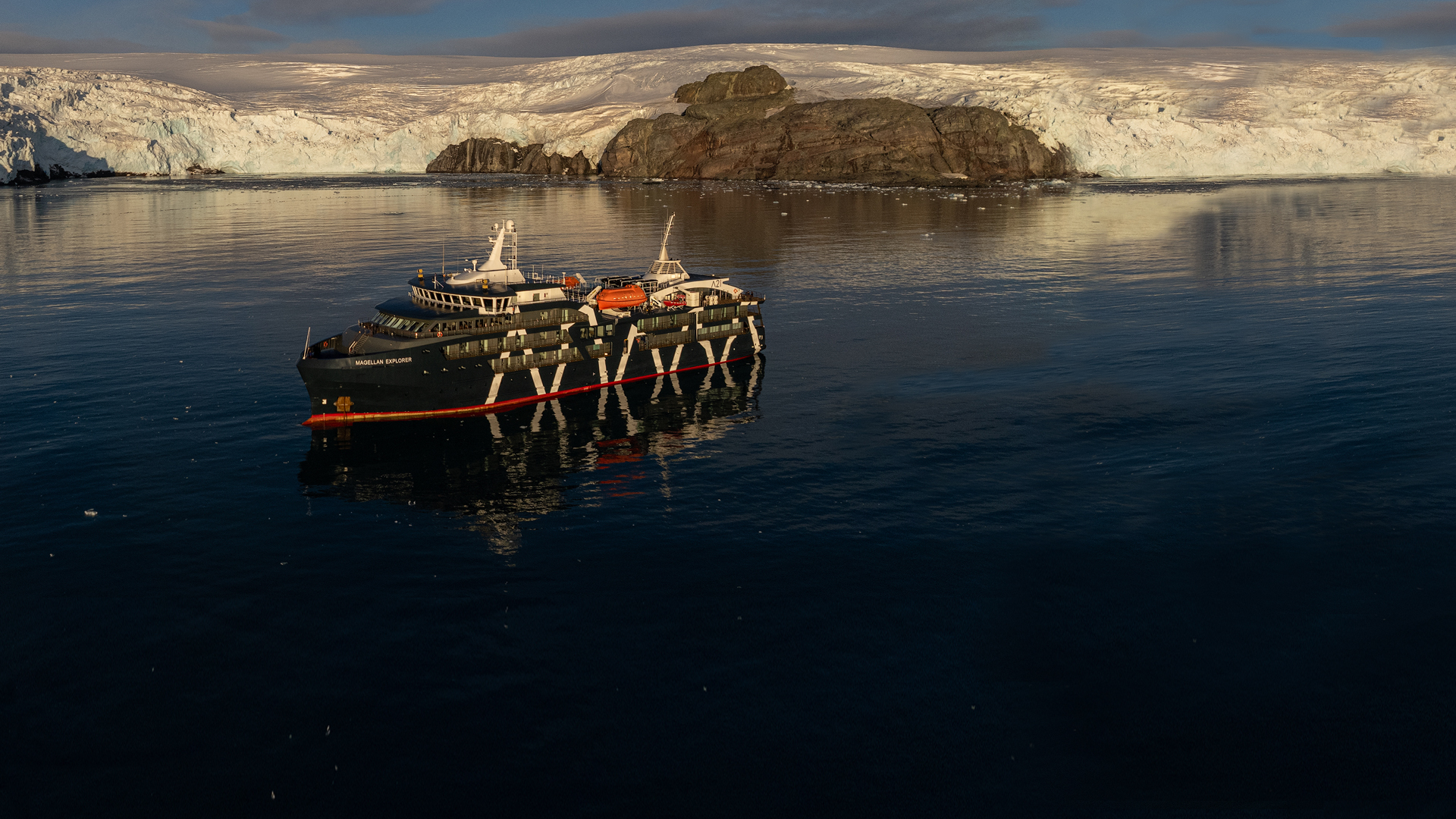
Ship: Magellan Explorer
Guests: 76
For travelers seeking to explore Patagonia in September or April, ships repositioning ahead of the Antarctica sailing season can offer an unforgettable cruising experience. These cruises make the most of the Patagonian shoulder seasons; visitor numbers to the region are lowest during this period, making it an ideal time to combine a cruise with a land-based extension.
These itineraries follow the coast of Chilean Patagonia as the glacial mountains spill into the fjords. While cruisegoers have the classic experience of sailing through Beagle Channel as it transforms into the spectacular Glacier Alley, the rest of the itinerary is unique.
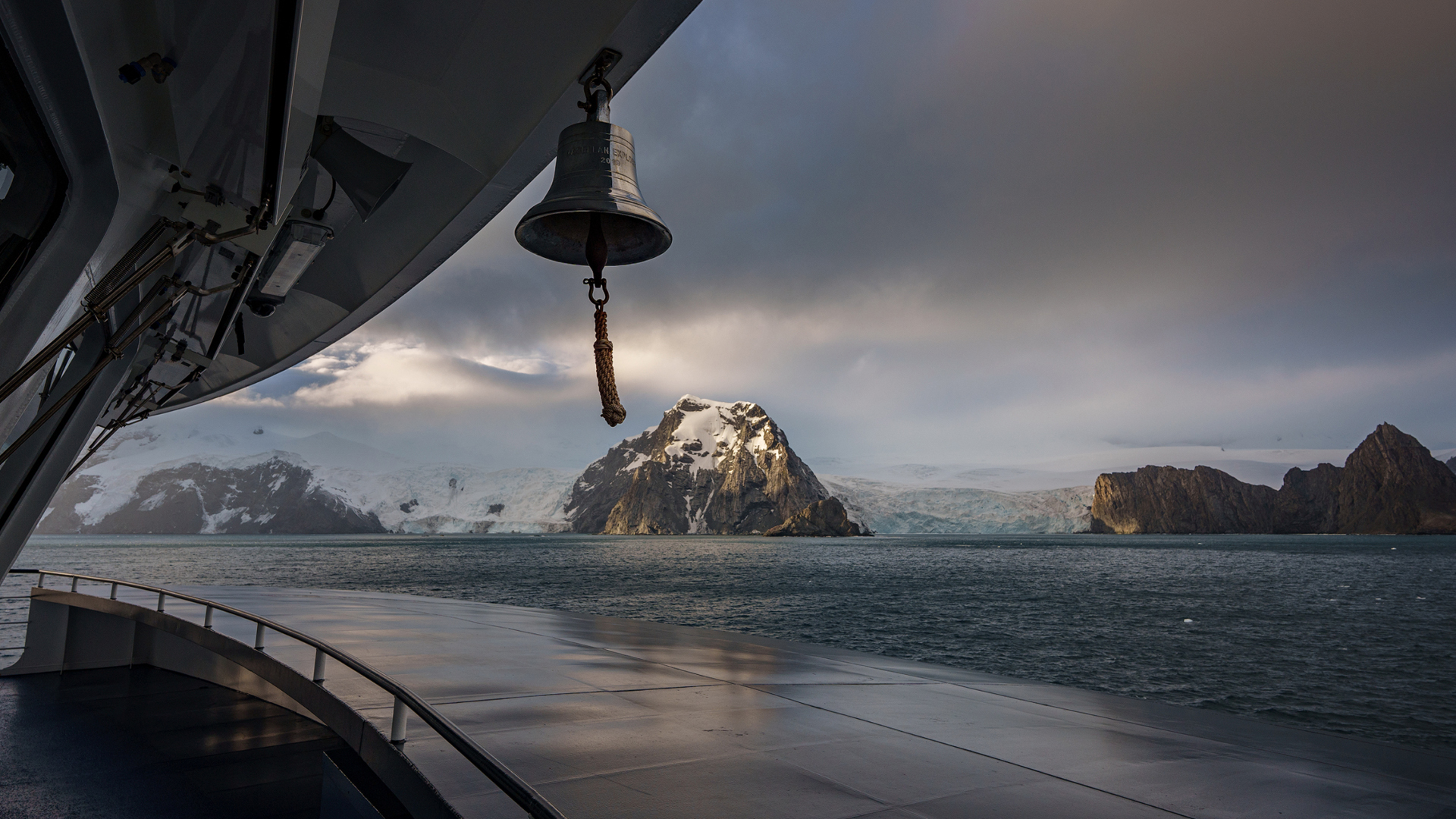
The Magellan Explorer connects northern Chilean Patagonia with the south. Zodiac excursions take guests into the secluded fjords of national parks (many of which receive mere handfuls of visitors each year), where tidewater glaciers borne from the region’s two icefields cling to mountainsides. It’s also the opportunity to encounter life in some of Patagonia’s remotest villages: the picturesque, roadless Caleta Tortel and a clutch of other settlements further north – normally only reachable along the Carretera Austral (Southern Highway).
The Magellan Explorer is the most modern of all the ships that cruise the Patagonia waters. and higher cabin categories have balconies and separate living areas. A sauna and fitness center (the latter with panoramic windows for wildlife spotting) enhance the luxurious experience.
If you like… glaciers, fauna, and Indigenous villages
Port: Puerto Natales (Chile)
Duration: Five or eight days
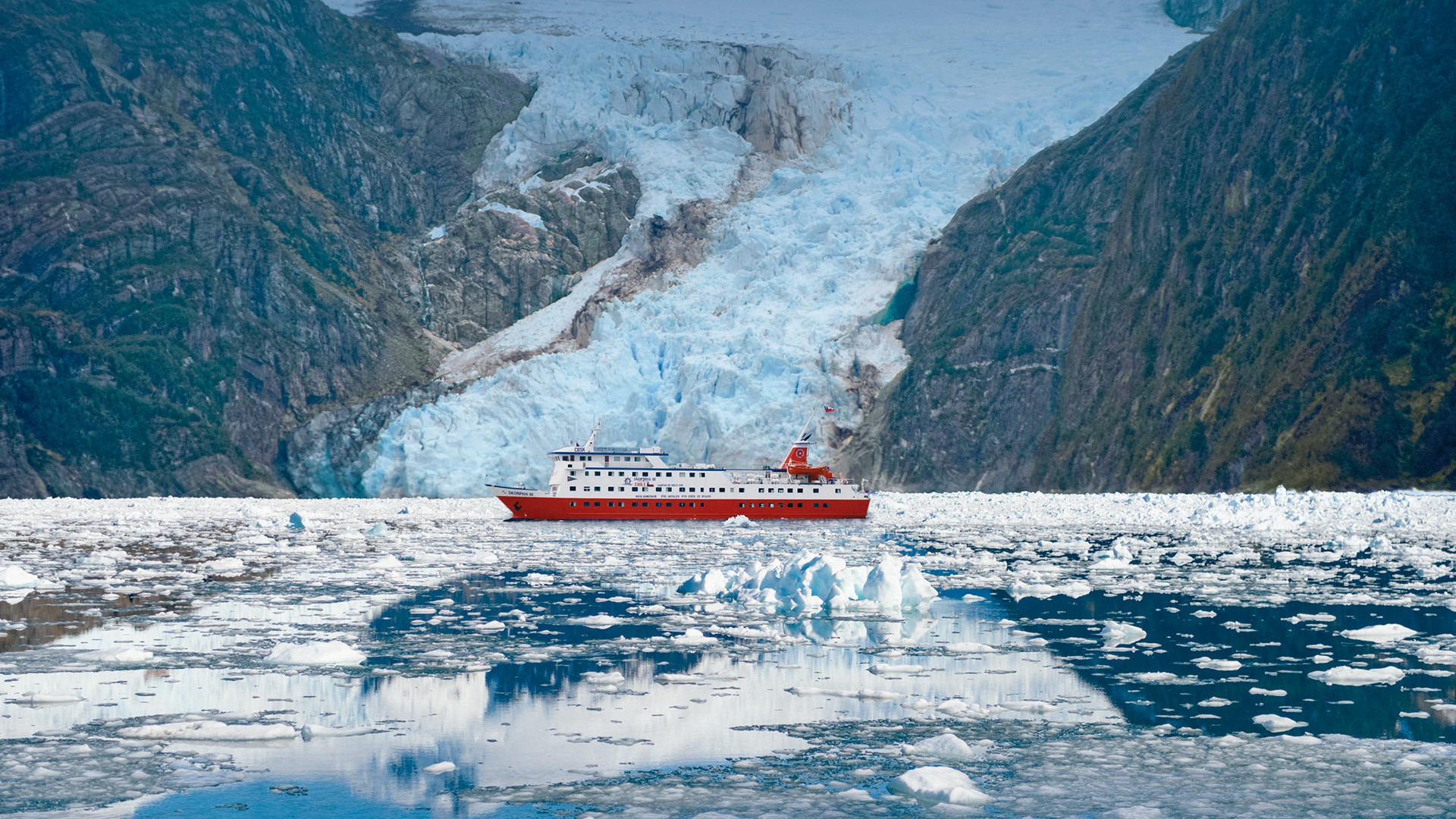
Ship: Skorpios III
Guests: 90
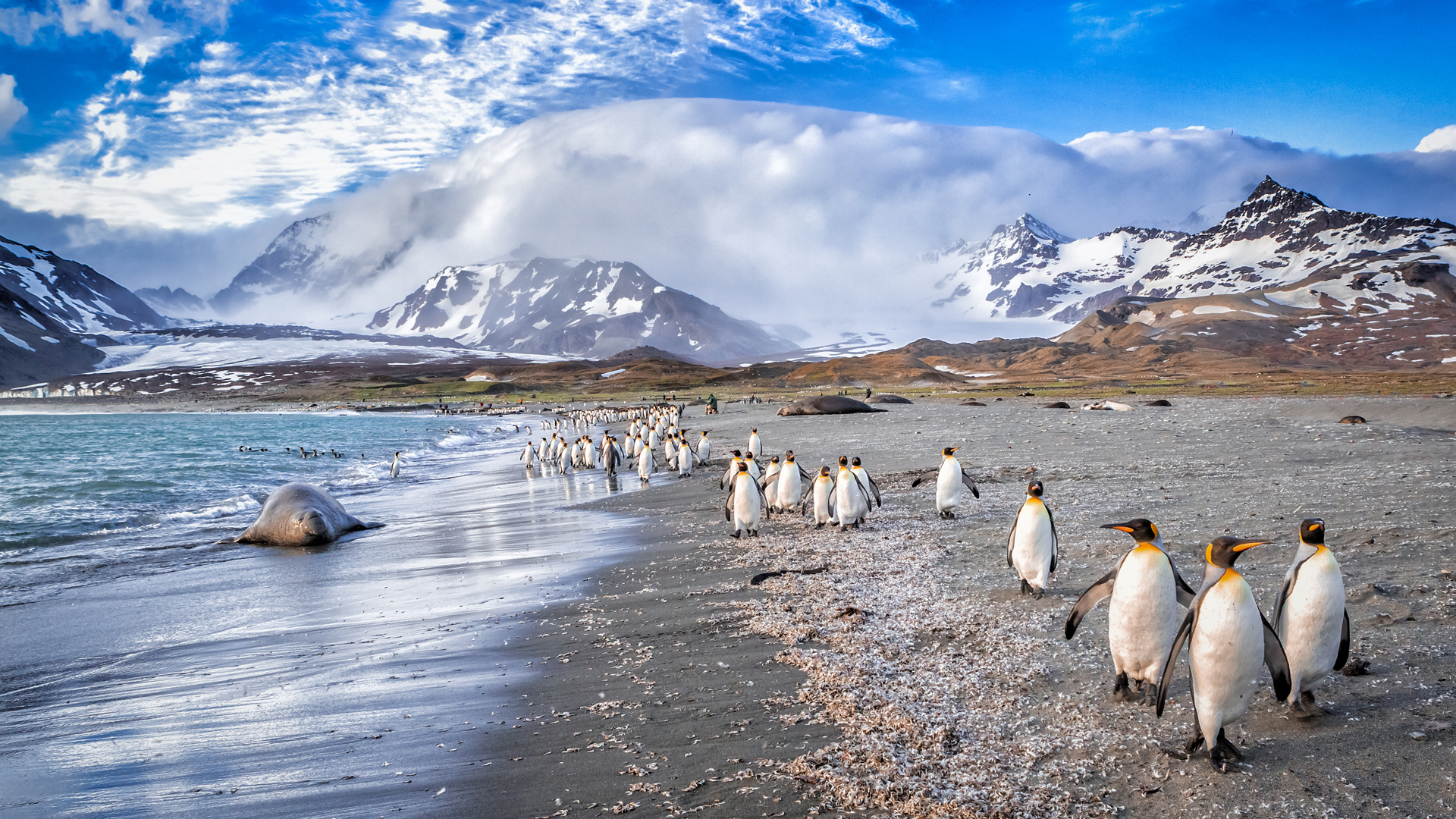
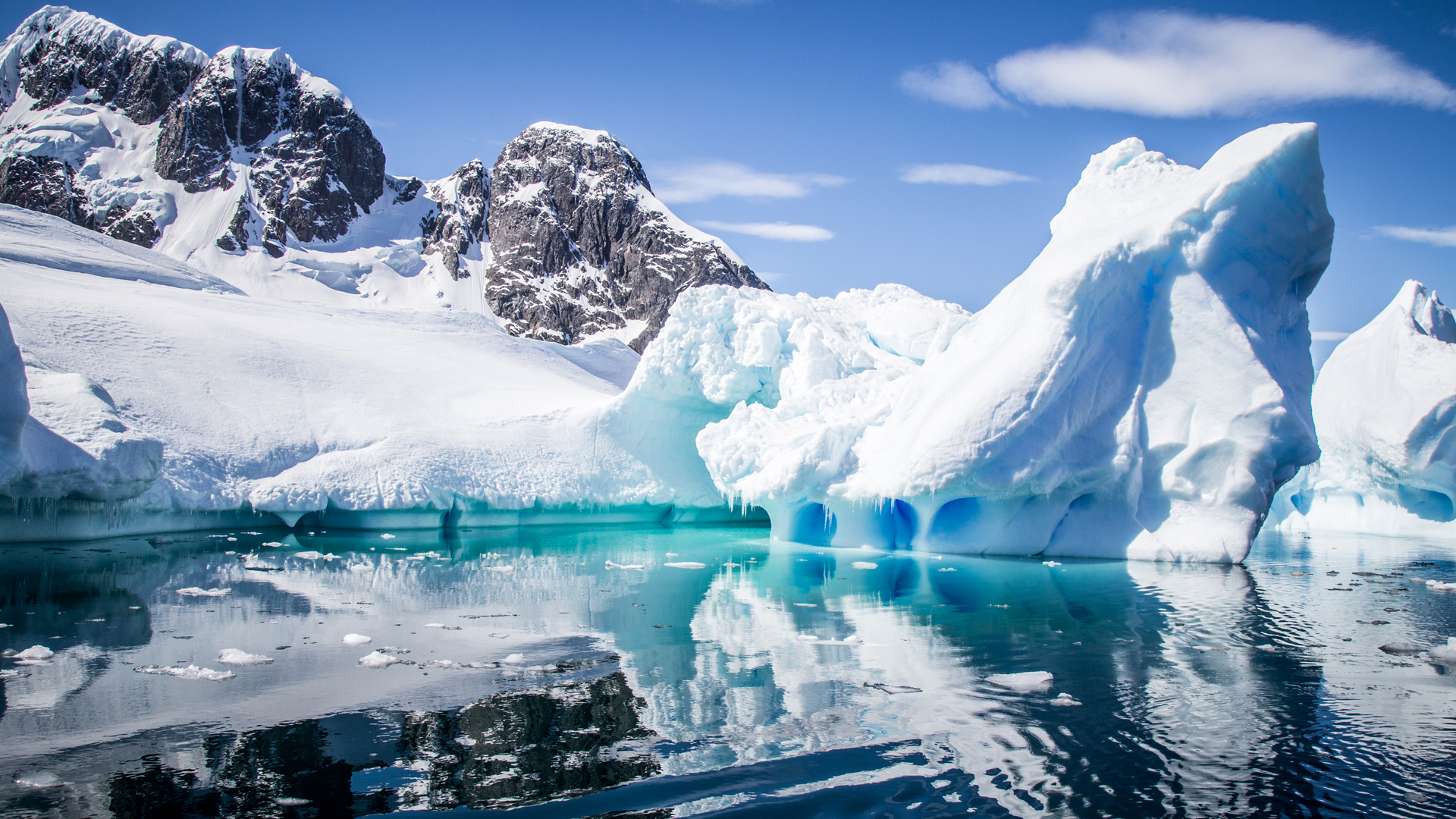
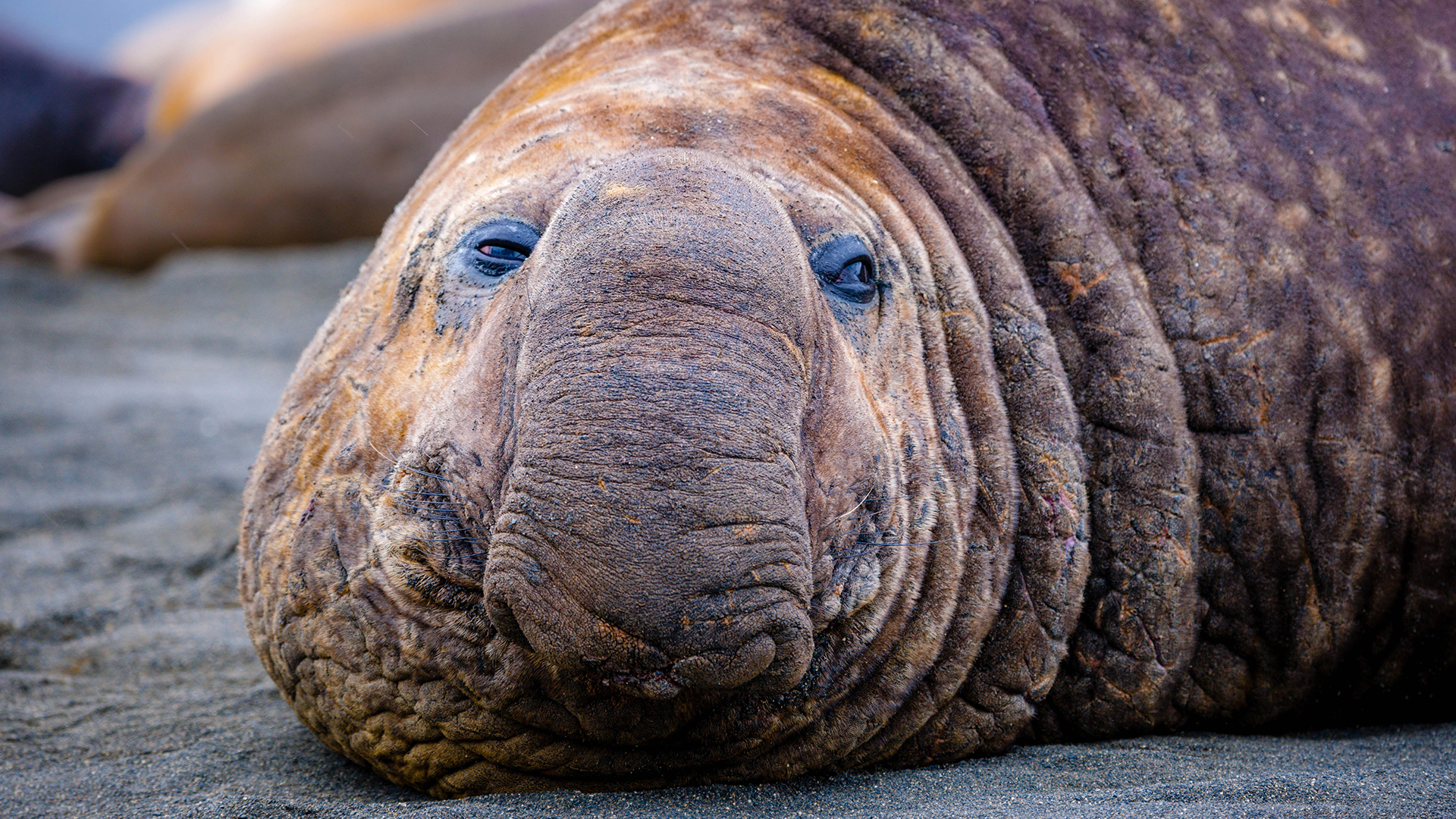
Glaciers are the main attraction on these itineraries that travel north from Puerto Natales. Landings and Zodiac excursions are scheduled for up to fifteen glaciers, while hikes through native evergreen forests allow guests to even touch them. Abundant flora and fauna, including an elephant seal colony and plenty of humpback whale sightings, ensure adventurers feel fully immersed in the natural world.
If travelling in October or April when the ship is making its way to and from Puerto Natales for the season, guests can extend the cruise, combining ice – a visit to the largest glacier in the southern hemisphere, Pío XI – with fire, through an excursion to thermal springs. This lengthened itinerary also drops anchor at a tiny village hidden away in the fjords, which is home to descendants of the Indigenous Kaweskar, making this the most culturally rich cruise itinerary in Patagonia.
The Skorpios III is perhaps the least luxurious of the different cruise ships plying Patagonian waters. However, the quality of the dining is notable, and the guides are experts in their fields.
When to cruise in Patagonia
Much like polar expeditions, cruising in Patagonia is firmly determined by the seasons and when weather conditions permit sailing. The earliest ships – including those repositioning in advance of the Antarctica or Patagonian cruising period – set sail in September, and the season continues until April.
December through February are often touted as the best months for traveling in Patagonia. During this period, daylight hours are long, and the weather can be warm and pleasant. Because of the exclusive nature of cruising in Patagonia, it’s rare to see many other ships on any of these routes, even during peak season.
However, if you plan to combine a cruise with a land-based itinerary into the rest of Patagonia, it’s advisable to avoid these months. Onland, travelers are descending on the region in their droves, and national parks can feel unpleasantly busy as a result. While weather conditions are marginally more settled during this period (although it’s never fully possible to predict the weather in Patagonia), January and February see Patagonia’s famously wild winds at their strongest. Most cruise itineraries spend at least a little time on the open sea – an experience not improved by high winds.
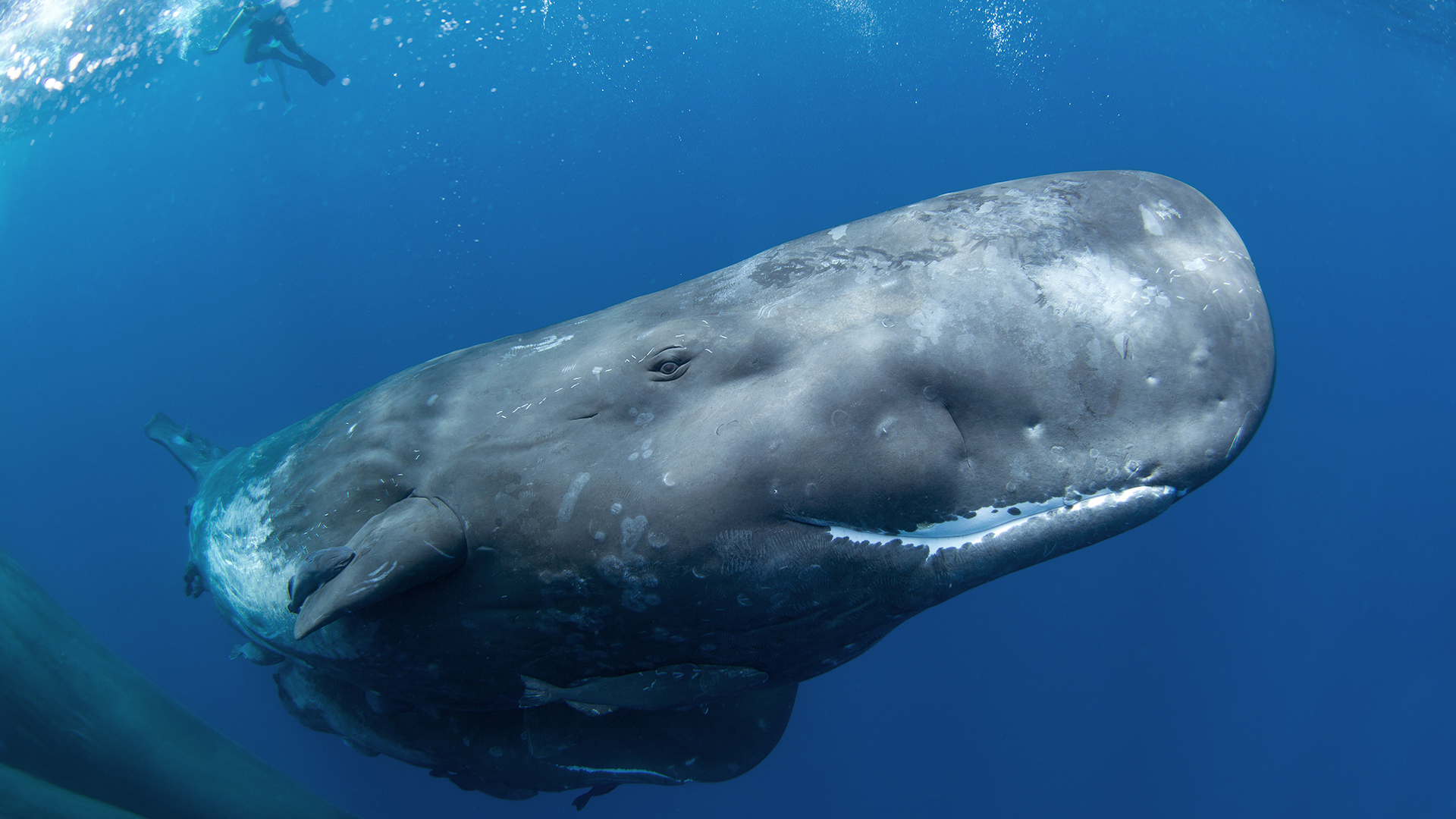
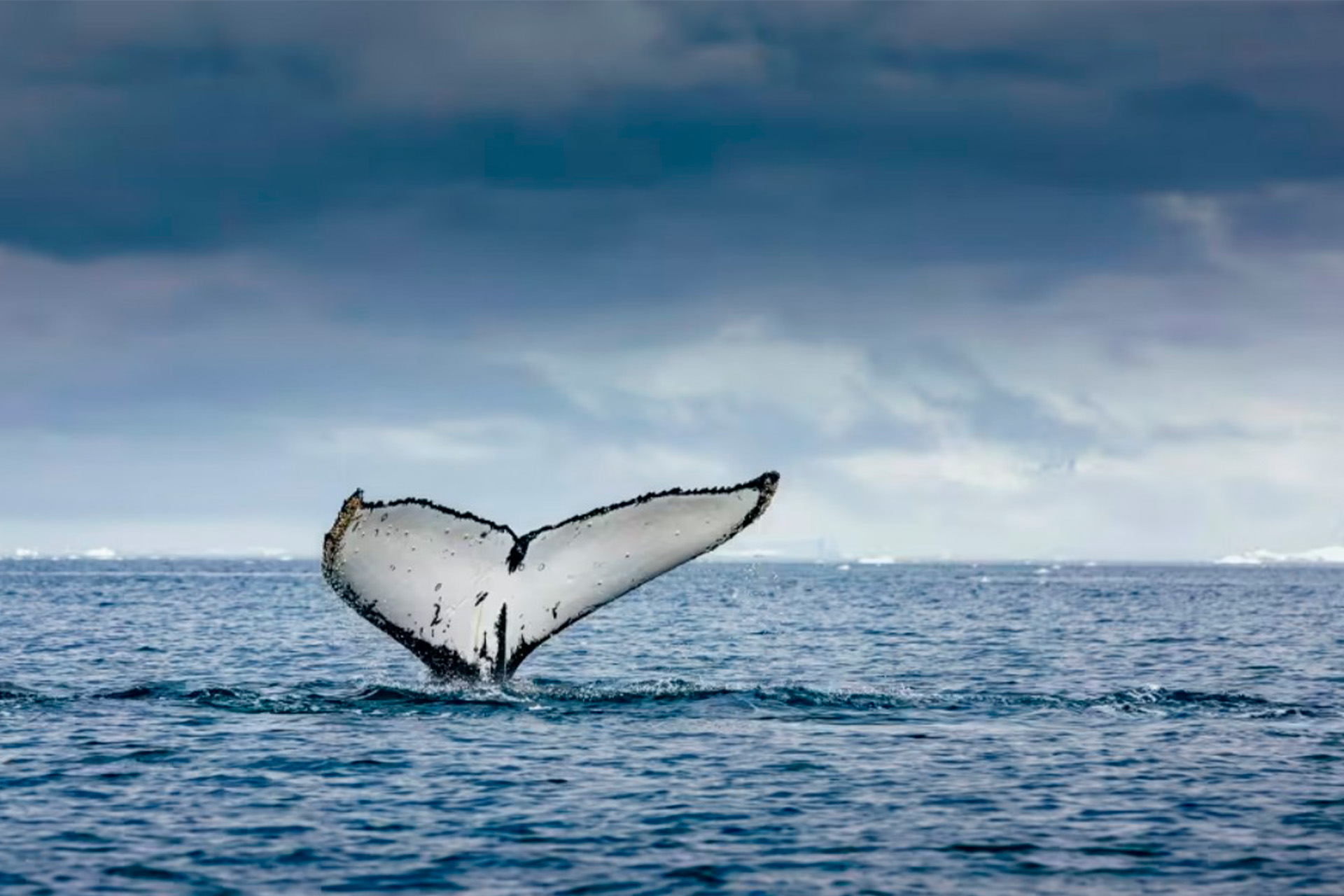
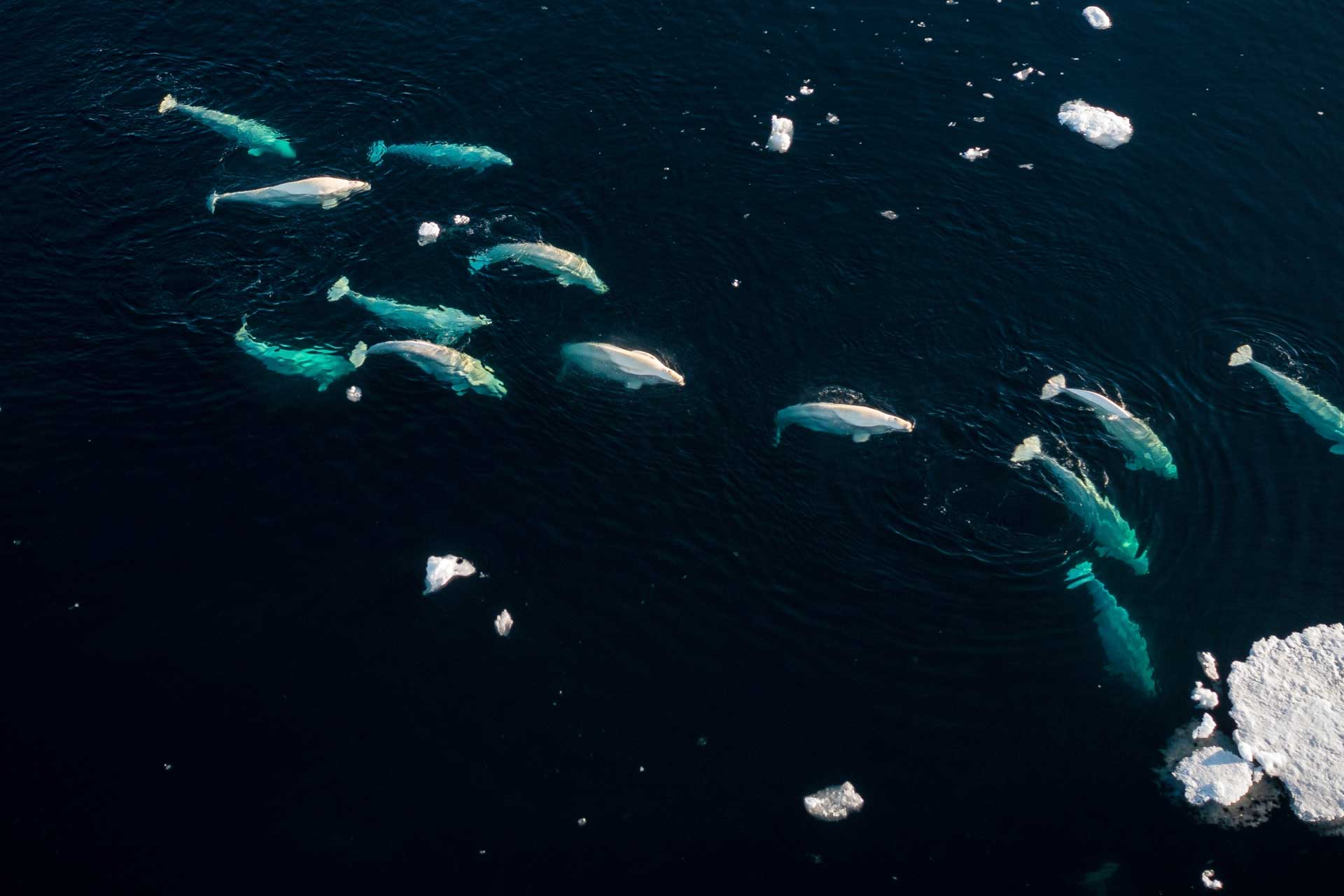
The best time to cruise in Patagonia is therefore during the shoulder seasons, when wind speeds are lower and crowds are fewer. October and November mark the beginning of the travel season, and the landscapes begin to come back to life following the winter, while March and April mark the tail end of the summer. Days are cooling again, and fall is turning the trees from yellow to orange to red – a spectacular sight for photographers and nature lovers alike. Peak season for whale-watching is from December through April, so these months are excellent for catching sight of these mammals.
Expert tips for a Patagonia expedition cruise
Expedition cruising is a radically different experience from a traditional cruise, and Patagonia is a wild, untamed region that operates according to its own rules. Therefore, before departure, it’s important to bear the following considerations in mind.
Pick your cabin carefully
Expedition cruises are active adventures, and cabin time is rarely more than snatched moments between excursions and meals. However, there’s nothing quite as magical as waking up to find a glacier visible through your window – so opt for the largest windows possible.
What’s more, on the sailings between channels and any sections in open water – such as a Cape Horn landing – conditions can be far from calm. Anti-nausea medication can help, particularly during overnight crossings when the waters are lively. If you’re prone to seasickness, a midship cabin promises more stability during choppy waters.
Lean into the experience of untraditional luxury
Even the most well-appointed expedition ships prioritise adventure over opulence. This is “boots on, binoculars ready” travel: the true indulgence lies in the experience itself. Expedition cruises are about the freedom to explore places unreachable by conventional cruising.
Protect your tech
Wind, salt spray, and sudden downpours are hard on electronics. Desiccant pouches can help dry your camera after excursions, while a waterproof case secured with a lanyard can be invaluable when you’re taking photos from a bouncing Zodiac.
Pack for the season(s)
The weather is changeable in Patagonia, regardless of the season. Layers are the key: waterproof and windproof outerwear, combined with a warm mid-layer, and a thermal base layer, can stop travelers from feeling chilly, even on Zodiac expeditions. Fleece-lined, waterproof gloves, a tight-fitting hat, sunglasses, and plenty of sunblock are essential for the varied climate guests can expect to experience. Hiking boots that are durable enough for rocky trails are also essential.
Is an expedition cruise the best way to see this magnificent region? Small ship Patagonia expedition cruises allow for unmatched access to remote fjords and wildlife, which only a handful of other adventurers experience each year. What’s more, it’s a slower, more contemplative way to appreciate a place that has become increasingly popular among travelers. A cruise expedition allows visitors to go beyond the oft-visited sights and see the wildness of a region where mountains meet the ocean.
An expedition cruise plus a luxury on-land itinerary is a way of marrying the best of Patagonia. Our destination experts can turn your Patagonian dream into a reality, helping you combine highlights, such as Torres del Paine National Park, with the region’s hidden corners on a private guided tour.
An Expert’s Guide To Chilean Patagonia’s Trekking Routes

Patagonia Cruise: An Antarctica Alternative Or Ideal Add-On?
Patagonia Cruise Or Lodge-Based Land Tour: Which is Best?
9 Best Patagonia Lodges To Combine With An Antarctica Cruise

The Best Time To Go To Chilean Patagonia
12 Best Things To Do In Chilean Patagonia
2 Weeks In Chilean Patagonia – Itinerary Inspiration
An Expert’s Guide To Planning A Trip To Chilean Patagonia

The Best Antarctica Travel Agency?
Disclaimer
Our travel guides are for informational purposes only. While we aim to provide accurate and up-to-date information, Antarctica Cruises makes no representations as to the accuracy or completeness of any information in our guides or found by following any link on this site.
Antarctica Cruises cannot and will not accept responsibility for any omissions or inaccuracies, or for any consequences arising therefrom, including any losses, injuries, or damages resulting from the display or use of this information.